
AHA vs BHA vs PHA: Which Chemical Exfoliant Fits Your Skin?
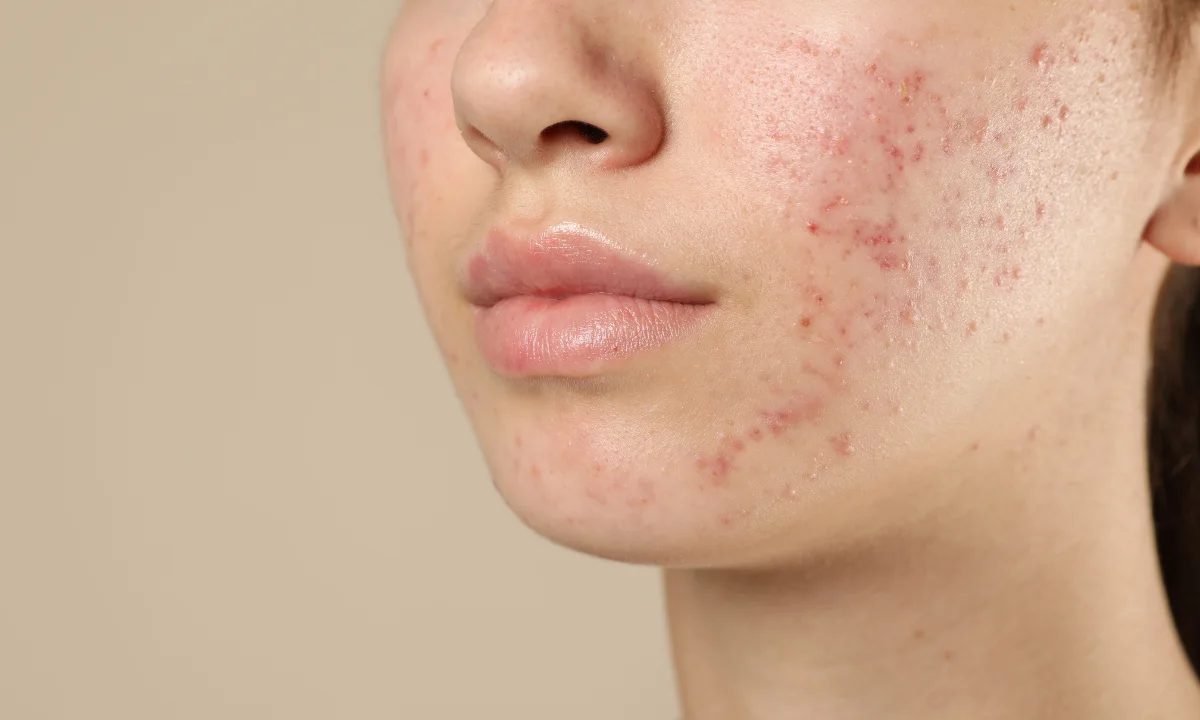
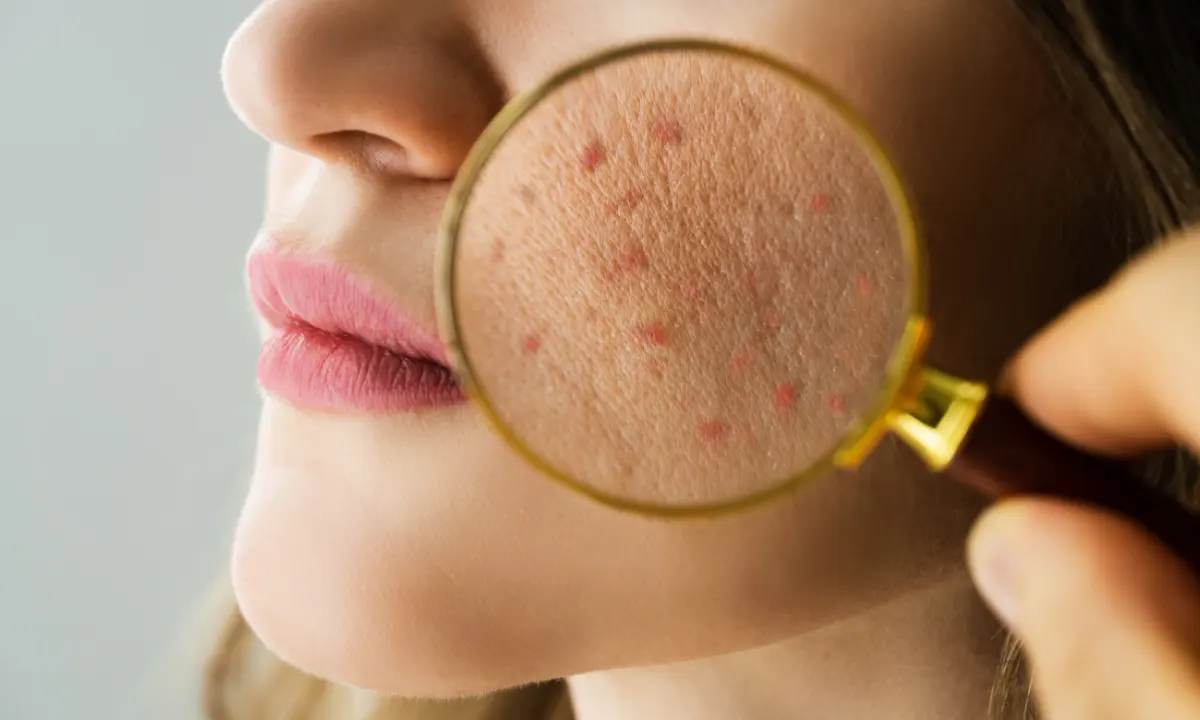
Choosing an exfoliant can get confusing fast. One product promises smoother skin with glycolic acid, another targets clogged pores with salicylic acid, while a PHA product claims to exfoliate more gently. The problem is that choosing by a trendy ingredient or a high percentage can leave your skin dry, irritated, or more sensitive instead of giving you the smooth, clear complexion you wanted. The simplest answer is to match the acid to your main skin concern: AHA is usually the better fit for dullness, rough texture and uneven tone; BHA is better suited to oily skin, clogged pores and blackheads; and PHA is a gentler option for people who find stronger exfoliants irritating. Your skin's tolerance and the rest of your routine matter just as much as the acid itself.
What Is Chemical Exfoliation and How Does It Work?
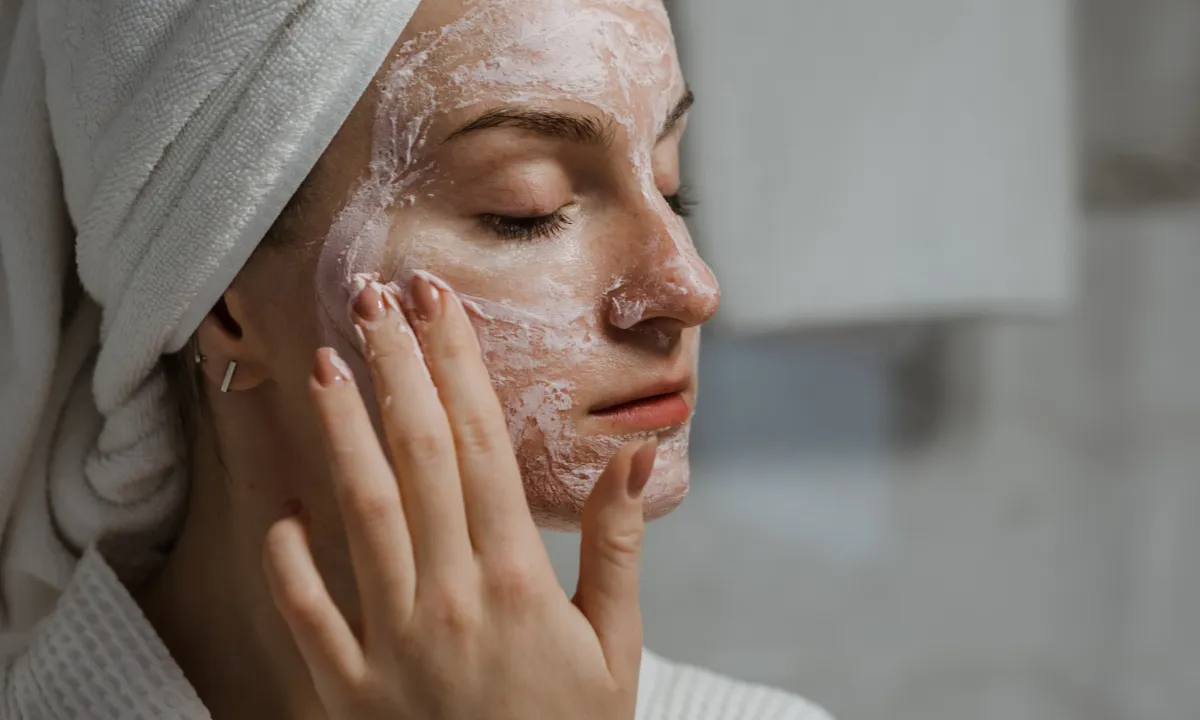
Your skin naturally sheds dead cells from its outermost layer, but some surface buildup can remain and make the skin look dull, rough or uneven. Chemical exfoliants use acids to loosen the connections between dead surface cells so they can shed more easily. The process is different from physically rubbing the skin with a scrub, where friction is responsible for removing some of the surface buildup. The outer layer of the skin, known as the stratum corneum, contains corneocytes and plays an important role in protecting the skin. Exfoliation can improve the feel and appearance of this surface when used appropriately, but removing too much can leave skin dry and irritated. That is why chemical exfoliation should be treated as a supporting step in a skincare routine rather than something that needs to be used aggressively.
Chemical vs. Physical Exfoliation
The goal is not to remove every dead skin cell. Healthy skin needs its outer barrier, so effective exfoliation should leave the skin feeling comfortable rather than raw, tight or burning.
AHA Explained: The Surface-Focused Exfoliant
Alpha hydroxy acids (AHAs) are water-soluble acids commonly used to improve the appearance and feel of the skin's surface. Glycolic acid and lactic acid are among the most common AHAs found in cosmetic products. AHAs are often used for dullness, rough texture, uneven tone, and signs of photoaging. Because AHAs primarily work on the surface, they can be particularly useful when your main complaint is that your skin looks dull or feels rough rather than when your biggest issue is deeply congested pores.
Glycolic vs. Lactic vs. Mandelic Acid
Not every AHA behaves exactly the same way. The specific acid, its concentration, the formula's pH, and the other ingredients in the product all affect how the finished product performs.
Glycolic acid is often selected when someone wants a more noticeable exfoliating effect, but stronger does not always mean better. A formula that feels too irritating will be difficult to use consistently. Lactic or mandelic acid may make more sense for someone who wants to introduce an AHA more gradually.
What Skin Concerns Can AHA Help With?
AHAs are commonly used in skincare products aimed at:
Dull-looking skin
Rough or uneven texture
Uneven-looking skin tone
Superficial discoloration
The appearance of fine lines
Photoaged skin
The FDA notes that AHA products are marketed for purposes including improving skin texture and tone and smoothing the appearance of fine lines and surface wrinkles.
Who Should Start With a Gentler AHA?
If your skin is dry, easily irritated, or new to exfoliation, jumping straight into a strong glycolic acid product may be unnecessary. A lower-strength or gentler AHA formula can make it easier to see how your skin responds. You should also pay attention to what else is already in your routine. If you are using retinoids, acne treatments, or several active products, adding a strong AHA can increase your overall irritation load.
AHA Safety and Sun Protection
AHA use deserves extra attention to sun protection. The FDA warns that topical AHA products may increase skin sensitivity to the sun and recommends sunscreen, protective clothing, and limiting sun exposure while using these products and for a week afterward. This matters particularly if your goal is to improve uneven tone or dark spots. Excessive UV exposure can work against your skincare goals, so daytime sunscreen should remain a regular part of an AHA routine.
BHA Explained: The Pore-Focused Exfoliant
Beta hydroxy acid (BHA) is most commonly represented in skincare by salicylic acid. Unlike AHAs, salicylic acid is oil-soluble, which makes it particularly useful in products aimed at oily skin and clogged pores. The American Academy of Dermatology also recognizes salicylic acid as an ingredient used to unclog pores and exfoliate the skin. This makes BHA a strong candidate when your skin concern is less about surface dullness and more about congestion.
Why Is Salicylic Acid the Main BHA?
Salicylic acid is the BHA most commonly used in cosmetic products. Its oil-soluble nature makes it useful for areas where excess sebum and dead skin contribute to clogged pores. Instead of thinking of BHA as an acid that simply "goes deeper," it is more accurate to think of it as an oil-soluble exfoliant that is particularly suited to pore-related concerns.
What Skin Concerns Can BHA Help With?
BHA is often considered for:
Blackheads
Whiteheads
Clogged pores
Oily or combination skin
Skin prone to congestion
Breakouts associated with clogged pores
The AAD states that salicylic acid can open clogged pores and exfoliate the skin, and it is used for whiteheads and pimples.
What If BHA Makes Your Skin Too Dry?
More BHA does not necessarily mean clearer skin. If your skin becomes excessively dry, tight, flaky, burning, or irritated, reduce use or stop the product until your skin settles. The FDA recommends following product directions, testing a BHA product on a small area before broader application, and stopping use if irritation or prolonged stinging occurs.
PHA Explained: A Gentler Approach to Exfoliation
Polyhydroxy acids (PHAs) are another group of chemical exfoliants. Common examples include gluconolactone and lactobionic acid. Their larger molecular structures are often associated with a gentler exfoliating experience because they generally work at the skin's surface without the same feel that some stronger acids can produce. That makes PHA interesting for people who want exfoliation but have found stronger products uncomfortable. It can also be a reasonable starting point for someone who is new to chemical exfoliation and wants to introduce an exfoliating step gradually.
What Makes PHAs Different?
PHAs are water-soluble and primarily provide surface exfoliation. Their larger molecules are commonly associated with slower penetration compared with smaller acids such as glycolic acid. Some PHA ingredients also have humectant properties, which can help support the skin's moisture balance. However, "gentle" does not mean that every PHA product will suit every person. The full formula, concentration, frequency of use and your existing routine still matter.
Gluconolactone and Lactobionic Acid
Gluconolactone is one of the most familiar PHA ingredients in skincare. Lactobionic acid is another PHA used in cosmetic formulations. Both may appeal to people who want mild exfoliation without immediately reaching for a stronger AHA or BHA.
Is PHA Automatically Safe for Sensitive Skin?
No. PHA is generally considered a gentler exfoliating option, but sensitive skin can still react to an individual product. Fragrance, preservatives, other active ingredients and the overall formula can all affect tolerance. If your skin is reactive, introduce one new active at a time and give your skin an opportunity to show you how it responds.
AHA vs. BHA vs. PHA: What Is the Difference?
The biggest difference is what each acid group is best suited to address. AHA mainly focuses on surface exfoliation, BHA has an oil-soluble structure that makes it useful for pore-related concerns, and PHA provides a milder form of surface exfoliation.
There is no universal winner. The right choice depends on what you want to change and how well your skin handles exfoliation.
Which Exfoliant Should You Choose for Your Skin Concern?
Your main skin concern is often a better starting point than simply asking whether you have oily, dry, or combination skin.
For Dullness and Rough Texture: AHA
If your skin looks dull and feels rough or uneven, an AHA may be the most logical option. Glycolic, lactic, or mandelic acid can help loosen surface buildup and improve the feel and appearance of the skin. For dry skin that also looks dull, a gentler AHA may be preferable to a strong exfoliant that leaves the skin feeling tight.
For Dark Spots and Uneven Tone: AHA
AHA products are commonly used to improve uneven-looking tone and the appearance of superficial discoloration. They work by exfoliating the outer layers of skin, which can make the complexion look more even over time. However, dark spots can have many causes. Persistent pigmentation, melasma, or pigmentation that keeps returning deserves more than repeated acid use. Sun protection is also essential because UV exposure can worsen pigmentation.
For Fine Lines and Photoaged Texture: AHA
AHAs are commonly included in products intended to improve the appearance of fine lines, surface wrinkles and photoaged texture. If fine lines are your main concern, exfoliation is only one part of a useful skincare routine. Daily sun protection and appropriate moisturization are important alongside an exfoliating product.
For Blackheads and Clogged Pores: BHA
BHA is usually the more logical choice for blackheads, whiteheads and clogged pores. Salicylic acid's oil-soluble nature makes it particularly suited to pore-focused skincare. Rather than adding several exfoliants, start with one BHA product and a pore control cleansing oil if your routine needs support for congestion without excessive dryness.
For Oily and Acne-Prone Skin: BHA
If excess oil and clogged pores are your biggest concerns, salicylic acid may be a better starting point than AHA. The AAD includes salicylic acid among topical ingredients used for acne, particularly because it helps unclog pores and exfoliate the skin. That does not mean every acne problem should be treated with an exfoliating toner or serum. Persistent, painful, or severe acne may require professional treatment.
For Sensitive or Easily Irritated Skin: PHA
If your skin reacts easily to stronger acids, PHA may offer a more comfortable introduction to chemical exfoliation. Gluconolactone and lactobionic acid are common examples. Still, introduce the product slowly. Sensitive skin does not need more active ingredients; it needs the right product used at a level it can tolerate.
For Combination Skin: Match the Acid to the Area
Combination skin does not have to use one acid everywhere. For example, someone may have an oily, congested T-zone but drier cheeks. In that situation, a pore-focused BHA product may make more sense for congested areas, while a gentler approach can be used elsewhere. The important point is to avoid turning this into an excuse to layer several exfoliants across the entire face.
Which Acid Should You Start With If You're New to Chemical Exfoliation?
If you have never used a chemical exfoliant, start with one product rather than building an acid-heavy routine. Choose an exfoliant based on your main concern, use it according to the product instructions, and give your skin time to respond before adding another active.
A simple starting approach is:
Identify your main concern.
Choose AHA, BHA, or PHA based on that concern.
Pick a product appropriate for your experience and skin tolerance.
Patch test where appropriate.
Introduce it gradually according to the product directions.
Keep the rest of your routine simple.
Stop or reduce use if your skin becomes irritated.
The American Academy of Dermatology recommends testing skincare products on a small area before regular use, particularly because ingredients such as glycolic acid can irritate some skin types. You also do not need to feel a strong sting for an exfoliant to be working. Burning, persistent stinging, or peeling should not be treated as proof that a product is effective.
How to Add AHA, BHA, or PHA to Your Skincare Routine
A chemical exfoliant works best as part of a simple korean skincare routine rather than surrounded by multiple strong actives.
A basic evening routine can look like:
Cleanser → AHA/BHA/PHA product → hydrating serum if needed → moisturizer
The exact order can change depending on the product format and its instructions. A rinse-off exfoliating cleanser, for example, is used differently from a leave-on toner or serum.
What Should You Use the Next Morning?
The following morning, keep your routine focused on hydration and sun protection:
Cleanser → hydrating products → moisturizer → broad-spectrum sunscreen
Sun protection is especially important with AHA use because of its potential effect on sun sensitivity. FDA guidance specifically recommends sun protection with topical AHA products.
Can You Use AHA, BHA, and PHA With Other Actives?
Yes, but the question is less about whether two ingredients can technically exist in the same routine and more about how much irritation your skin can handle.
Acids and Retinoids
AHA or BHA can be used as part of a routine that also contains a retinoid, but using several potentially irritating actives together can be too much for some people. If you are new to both, using them on separate nights is a simple way to reduce the total irritation load. People using prescription retinoids or acne medication should follow their clinician's instructions rather than adding exfoliants independently.
Acids and Niacinamide
Niacinamide serum is commonly used alongside exfoliating products. It can fit into a routine focused on supporting the skin barrier and improving the appearance of uneven tone and oiliness. If a combined routine causes irritation, simplify it rather than assuming you need more products.
Acids and Hyaluronic Acid
Hyaluronic acid can be useful in a routine that includes exfoliation because it is a hydrating ingredient. Applying a hydrating product after an exfoliant can help keep the routine more comfortable.
Acids and Vitamin C
Vitamin C and chemical exfoliants can both have a place in skincare, but combining several active products at once can make irritation harder to identify. If you are new to acids, separate the products or introduce them at different times rather than starting everything together.
Acids and Benzoyl Peroxide
Benzoyl peroxide can be drying and irritating for some people. Adding an AHA or BHA on top of an acne routine that already contains benzoyl peroxide may increase dryness. If acne treatment is already part of your routine, introduce exfoliation carefully and consider professional guidance if your skin is becoming irritated.
Can You Combine AHA and BHA?
Yes, AHA and BHA can appear together in a single formulated product, and some skincare products are specifically made around that combination. The concern is excessive exfoliation rather than the mere presence of two acid types. Using a formulated AHA/BHA product according to its directions is different from layering several high-strength acid products on your own. If your skin is new to exfoliation, alternating products on different nights can be a simpler approach.
For example:
This is an example of spacing out active ingredients, not a universal schedule. Your actual frequency should depend on the product instructions and your skin's response.
Signs You're Over-Exfoliating
Exfoliation becomes counterproductive when the skin cannot recover between uses. Common warning signs include:
Persistent burning or stinging
Redness
Increased sensitivity
Tight or unusually dry skin
Flaking
New irritation
Skin that suddenly reacts to products it previously tolerated
If these signs appear, stop adding more acids. Simplify your routine to gentle cleansing, moisturizer, and sun protection while the skin settles. The AAD also recommends reducing or stopping exfoliating treatment temporarily when skin becomes dry or irritated.
How to Choose an AHA, BHA, or PHA Product
The acid name on the front of a bottle tells you only part of the story. Two products containing the same acid can feel very different because the concentration, pH, supporting ingredients and delivery format can vary.
Before choosing a product, check:
The active ingredient: Glycolic, lactic, mandelic, salicylic, gluconolactone, or another exfoliating acid.
The concentration: A higher percentage is not automatically better for your skin.
The product format: Cleanser, toner, serum, mask, or another format changes how you use it.
Leave-on vs. rinse-off: Leave-on products generally provide longer contact with the skin.
Supporting ingredients: Hydrating and barrier-supporting ingredients can affect how comfortable a formula feels.
Usage directions: Follow the manufacturer's recommended application and frequency.
Your existing routine: Consider retinoids, acne treatments, vitamin C and other active products already in use.
Your skin's tolerance: Choose a product you can use comfortably rather than chasing the strongest formula.
For Korean skincare shoppers, this is where choosing products from a trusted store such as Kinis Glow can make product selection easier. Rather than buying an exfoliant simply because its ingredient is trending, compare the active, formula, intended concern and directions before adding it to your routine.
When Should You Skip Chemical Exfoliation or See a Dermatologist?
Chemical exfoliation is not the right answer for every skin problem. If your skin is already severely irritated, peeling, burning, or reacting to multiple products, adding another acid can make the situation worse.
You should also consider professional advice if you have:
Persistent or severe acne
Painful or inflamed breakouts
Ongoing rash or dermatitis
Significant skin sensitivity
Persistent or worsening pigmentation
Suspected melasma
A diagnosed skin condition
Severe irritation after using an exfoliating product
A prescription skincare routine that already contains active treatments
People taking isotretinoin should be especially cautious with exfoliating products. The AAD advises avoiding exfoliants such as AHAs and BHAs during isotretinoin treatment because they can weaken and irritate already sensitive skin.
AHA vs. BHA vs. PHA: Your Simple Decision Guide
You can narrow your choice down by asking one question: What is the main problem I want this exfoliant to address?
If your main concern is dullness, rough texture, or uneven-looking tone → consider AHA.
If your main concern is blackheads, whiteheads, clogged pores, or oily skin → consider BHA.
If your main concern is sensitivity and you want a gentler exfoliating option → consider PHA.
If you have several concerns, start with the one that bothers you most instead of immediately combining multiple acids. A simple routine that your skin tolerates is usually easier to maintain and assess.
Frequently Asked Questions About AHA, BHA, and PHA
Is AHA or BHA better for acne?
BHA is generally the more relevant choice for acne-prone skin when clogged pores, blackheads, and congestion are major concerns. Salicylic acid helps unclog pores and exfoliate the skin and is recognized by the AAD as an acne treatment ingredient.
Is AHA or BHA better for dark spots?
AHA is often chosen for uneven tone and superficial discoloration because it exfoliates the skin's surface. However, dark spots have different causes, so persistent pigmentation may require a more targeted approach than exfoliation alone.
Is PHA better for sensitive skin?
PHA is generally a gentler exfoliating option and may suit people who find stronger acids irritating. However, sensitive skin can still react to any cosmetic product, so introduce it carefully.
Can I use AHA and BHA together?
Yes. They can be included in the same formulated product, but layering multiple strong exfoliants can increase irritation. If you are new to acids, alternating them is often a simpler approach.
Can I use AHA with retinol?
They can both be part of the same overall skincare routine, but using them together may increase irritation. Beginners can separate them onto different nights and adjust based on skin tolerance.
Can I use BHA with niacinamide?
Yes. Niacinamide and BHA can be used together in a skincare routine. If irritation develops, simplify the routine and reduce the number of active products.
Can I use PHA every day?
That depends on the specific product and your skin's tolerance. Do not assume that PHA can be used daily simply because it is gentler. Follow the product directions and reduce use if irritation develops.
Should I use chemical exfoliants in the morning or at night?
Many people prefer using exfoliating acids at night because it keeps the routine simple and leaves daytime skincare focused on sun protection. The product's own directions should take priority.
How long does an exfoliant take to work?
Results vary based on the ingredient, product strength, concern and how consistently you use it. Surface smoothness may become noticeable before changes in pigmentation or congestion. Avoid increasing frequency simply because results are not immediate.
Is chemical exfoliation better than physical exfoliation?
Neither is automatically better for every person. Chemical exfoliants can target specific concerns without requiring physical rubbing, while physical exfoliation depends heavily on the product and how it is used. Excessive exfoliation of either type can irritate the skin.
Can chemical exfoliation damage the skin barrier?
Overuse can contribute to dryness and irritation, which can compromise the skin's comfort and barrier function. Using the correct product at an appropriate frequency and keeping the rest of your routine supportive can reduce this risk.
Which is better for combination skin: AHA or BHA?
It depends on the concern. If your combination skin is mainly congested and oily, BHA may be more useful. If the main problem is dullness and rough texture, AHA may be a better fit.
Is salicylic acid an AHA or BHA?
Salicylic acid is commonly classified as a BHA in skincare. It is the most common BHA used in cosmetic products.
Is glycolic acid an AHA or BHA?
Glycolic acid is an AHA. It is one of the most common AHAs used in cosmetic skincare products.
Final Verdict: Which Chemical Exfoliant Does Your Skin Actually Need?
The AHA vs. BHA vs. PHA decision becomes much easier once you stop treating all exfoliating acids as interchangeable. AHA is generally the better match for surface texture, dullness and uneven-looking tone; BHA is the stronger candidate for oily skin, clogged pores and blackheads; and PHA is a useful gentler option for people who are sensitive to stronger exfoliation. Your skin does not need every acid. Start with the concern you want to address, choose one suitable product, follow its directions, and give your skin time to respond. If an exfoliant leaves your face constantly burning, peeling or unusually tight, stronger treatment is not the answer. The right exfoliant is the one that addresses your concern while allowing your skin to remain comfortable and healthy-looking.
Recent Posts

Best Korean Serums: Top Picks for Bright, Clear & Glass Skin
Anua Heartleaf Toner vs Rice Toner: Which One Is Better?