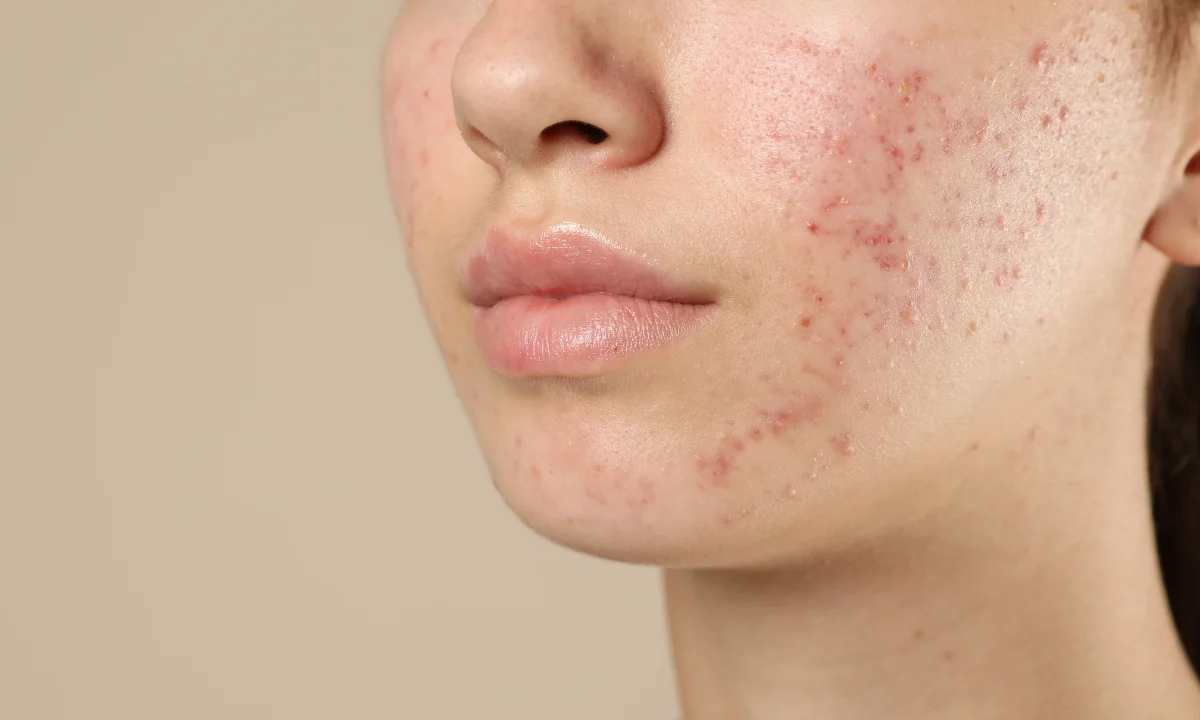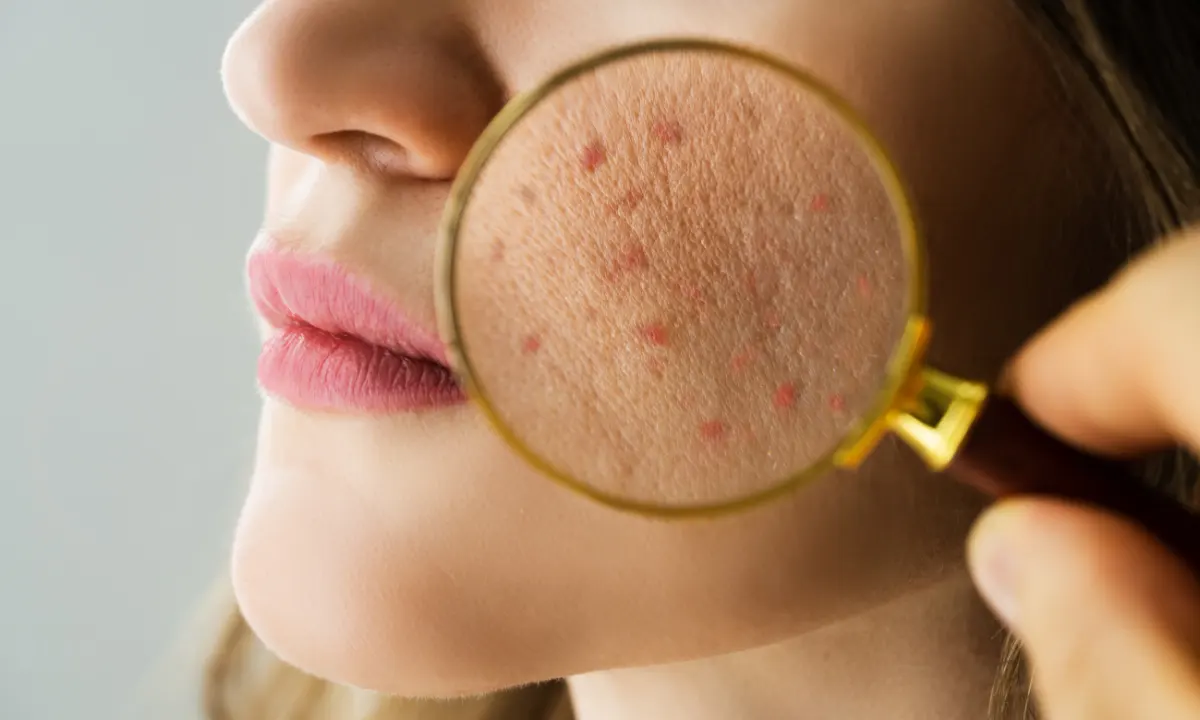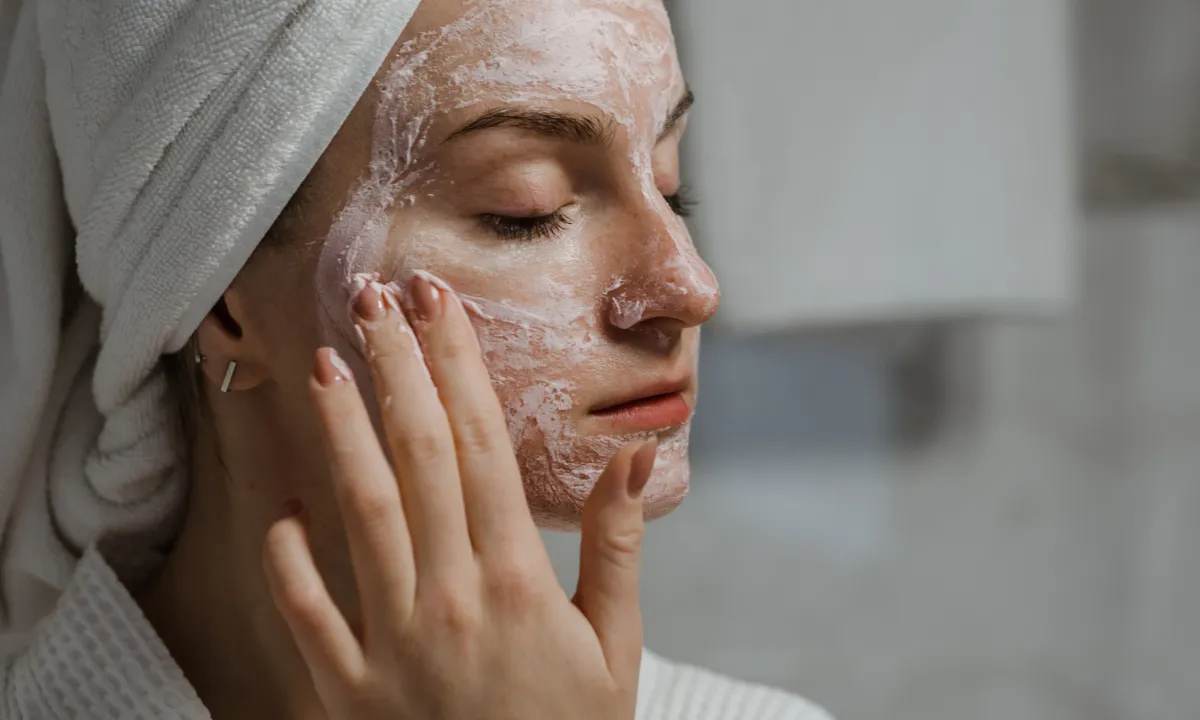

Korean Skincare Routine for Beginners in UAE: Step by Step AM and PM Guide

Starting a Korean skincare routine can become confusing very quickly. One video says you need 10 products, another recommends multiple serums, and a product page may tell you to add toner, essence, ampoule, eye cream, sleeping masks, and exfoliators. For a beginner in the UAE, copying a long routine can be especially frustrating because hot weather, humidity, strong sun exposure, and long hours in air-conditioned spaces can affect how skincare feels on the face. The solution is much simpler: begin with a few products that have clear jobs, use them in the correct order, and add treatments only when your skin actually needs them.
A practical Korean skincare routine for beginners follows a simple pattern: cleanse, hydrate, treat if needed, moisturize, and protect. In the morning, your routine can be cleanser → toner or essence → serum → moisturizer → sunscreen. At night, use oil cleanser when needed → water-based cleanser → toner or essence → treatment if needed → moisturizer. You do not need the famous 10-step Korean skincare routine to start getting good daily skincare habits. Consistency with a simple routine usually makes much more sense than buying many products at once.
What Does a Beginner Actually Need for a Korean Skincare Routine?
A beginner Korean skincare routine should be easy enough to follow every morning and evening without making skincare feel like a long task. Korean skincare is often associated with layering, but layering does not mean that every possible product category must be used. The basic idea is to keep the skin clean, maintain hydration, support the skin barrier, address specific concerns when necessary, and protect the skin from UV exposure during the day.
Start With the Essentials, Not 10 Steps
The traditional 10-step Korean skincare routine introduced many people to K-beauty, but it should be treated as a collection of possible skincare steps rather than a fixed checklist. A beginner may get more value from four or five suitable products than from ten products that overlap, irritate the skin, or sit unused in a bathroom cabinet. Dermatologists also commonly recommend keeping skincare simple and using fewer products consistently rather than adding unnecessary steps.
Your starting routine can include:
Gentle cleanser to remove oil, sweat, dirt, and daily buildup.
Toner or essence if your skin benefits from an extra hydrating layer.
Moisturizer to support hydration and reduce moisture loss.
Sunscreen every morning.
One serum or treatment later if you have a clear skin concern.
Products such as ampoules, exfoliators, eye creams, sheet masks, sleeping masks, and facial oils are optional. They can be useful for certain people, but using Korean skincare does not automatically mean that you need them.
Choose One Main Skin Goal Before Buying Treatments
Before adding serums and active ingredients, decide what you actually want your routine to address. A person dealing mainly with dehydration needs a different product strategy from someone concerned about excess oil, clogged pores, uneven-looking tone, sensitivity, or fine lines. Trying to target every concern at the same time often leads to several active products being introduced together, which can make irritation harder to trace. A better approach is to choose one priority such as hydration, oil control, barrier support, dullness, dark spots, acne-prone skin, sensitivity, or early signs of aging. Build your basic routine first, then choose one suitable treatment. This keeps the relationship between your products clear: cleanse → hydrate → treat → moisturize → protect.
How UAE Weather Changes Your Korean Skincare Routine
Living in the UAE gives skincare a different practical context from routines created for cooler climates. Dubai has a desert climate with extremely hot and humid summers, plenty of sunshine, and much milder winters. This does not mean every UAE resident needs the same products, but it does mean texture, sun protection, sweat resistance, and hydration deserve extra attention.
Choose Lightweight Layers for Hot and Humid Days
Heavy layers can feel uncomfortable during a hot UAE day, especially if you commute, walk outside, exercise, or wear makeup. Instead of stacking several thick products, use lightweight hydration and let each product serve a clear purpose. A watery toner, light serum, gel cream, or fluid sunscreen may feel more comfortable for oily and combination skin. Humidity does not automatically mean that skin is well hydrated. Your skin can feel oily on the surface while still feeling tight or dehydrated. Avoid responding to shine by aggressively cleansing or skipping moisturizer. Harsh cleansing can irritate oily skin, while dermatology guidance still recommends moisturizing oily skin to maintain hydration.
Balance Outdoor Heat With Indoor Air Conditioning
Many people in the UAE move repeatedly between outdoor heat and heavily air-conditioned homes, offices, cars, malls, and hotels. If your skin starts to feel tight or dry during the day, focus on products that support hydration rather than automatically adding a stronger cleanser or exfoliant. Humectants such as hyaluronic acid and glycerin can help provide hydration, while moisturizers containing ingredients such as ceramides can support the skin's moisture barrier. Your routine should respond to how your skin behaves rather than assuming that hot weather always requires oil-control products.
Make Sun Protection a Daily Priority
Sunscreen is one of the most important parts of a morning skincare routine in the UAE. UV exposure contributes to sunburn, premature signs of skin aging, pigmentation concerns, and skin cancer risk. The American Academy of Dermatology recommends sunscreen that provides broad-spectrum UVA and UVB protection, SPF 30 or higher, and water resistance. For UAE conditions, sunscreen texture also matters. If a thick formula makes you avoid applying enough product, consider a lighter lotion, gel, fluid, or Korean sun serum that suits your skin type. The best everyday option is one you can apply properly and use consistently.
Step by Step Korean Morning Skincare Routine
Your Korean morning skincare routine should focus mainly on comfortable hydration and daytime protection. Beginners do not need several active ingredients before leaving the house. Use products in a logical order, starting with cleansing and finishing with sunscreen.
Morning skincare order:
Cleanser → Toner or Essence → Serum → Moisturizer → Sunscreen
Step 1: Cleanse Without Stripping Your Skin
Morning cleansing removes sweat, excess oil, and residue left from your nighttime skincare. Use a mild water-based cleanser and lukewarm water rather than aggressively scrubbing your face. A cleanser should leave your skin feeling clean, but your face should not feel painfully tight or dry afterward. A gel or gentle foaming cleanser can work well for many oily and combination skin types, while dry or sensitive skin may prefer an even milder formula. The American Academy of Dermatology recommends gentle, non-abrasive cleansing and lukewarm water to reduce unnecessary irritation. If you are shopping at Kinis Glow, focus first on a Korean cleanser that matches your skin type rather than choosing one simply because it is trending.
Step 2: Add One Hydrating Layer With Toner or Essence
Toner and essence are two product categories strongly associated with K-beauty, but beginners usually do not need both. A modern Korean toner is often used to add lightweight hydration or soothing ingredients after cleansing. An essence usually provides another thin hydration or conditioning layer before serum and moisturizer. Ingredients commonly found in these products include heartleaf, Centella asiatica, hyaluronic acid, glycerin, and snail mucin. Choose based on your skin rather than trying to collect every category. If your toner already gives your skin enough hydration, you can skip essence. If you prefer an essence, toner may also be unnecessary. Brands like COSRX, Anua, Some By Mi, and SKIN1004 are readily available on Kinis Glow to help you build your routine.
Step 3: Use One Serum for Your Main Skin Concer
A serum provides a focused treatment step, but a beginner does not need several serums layered together. Pick one product that matches your main goal and give your skin time to respond before adding another active product. Ampoules can also sit within this treatment stage; you do not automatically need a serum and an ampoule together.
Vitamin C is commonly placed in daytime routines because of its antioxidant role, while niacinamide can fit into either morning or evening routines depending on the formula. A hydrating serum may be enough for beginners who do not need a stronger active.
Step 4: Moisturize According to Your Skin Type
Moisturizer helps maintain hydration and support the skin barrier. The best texture depends more on your skin than on whether a product is labeled “Korean.” In the UAE, many people with oily or combination skin prefer light gel creams during hot months, while dry or dehydrated skin may feel more comfortable with a cream. For oily skin, look for lightweight and non-comedogenic options. For dry skin, a cream containing ingredients such as ceramides or humectants may provide more comfort. For sensitive skin, simpler formulas with fewer potential irritants are often easier to introduce. Oily skin should not automatically skip moisturizer; dermatologists specifically recommend maintaining hydration even when skin produces excess oil.
Step 5: Finish With Sunscreen
Sunscreen belongs at the end of your skincare routine and before makeup. Look for SPF 30 or higher, broad-spectrum UVA and UVB protection, and water resistance, especially if you expect to spend time outside or sweat.
Your order should be:
Moisturizer → Sunscreen → Makeup
Apply sunscreen to exposed skin before going outside and reapply according to the product directions, especially after swimming or heavy sweating. The AAD advises applying sunscreen before outdoor exposure and recommends regular reapplication during extended time outside. For everyday UAE use, Korean sunscreens are popular because many formulas focus on lighter textures.
Step by Step Korean Night Skincare Routine
Your evening routine has a different job from your morning routine. Instead of preparing your skin for UV exposure, the PM routine removes sunscreen, makeup, sweat, excess oil, and other daily buildup before adding hydration or one targeted treatment. Keep the order simple so that cleansing does not become overly aggressive.
Night skincare order:
Oil Cleanser if Needed → Water-Based Cleanser → Toner or Essence → Treatment if Needed → Moisturizer
Step 1: Remove Makeup and Sunscreen With an Oil Cleanser or Cleansing Balm
An oil cleanser or cleansing balm can be useful as the first cleansing step if you have worn makeup, water-resistant sunscreen, or heavier facial products. Apply the cleanser according to its directions, usually to dry skin, massage gently, add water so the cleanser emulsifies, and rinse. This first step is meant to loosen oil-based residue. It should not involve aggressive rubbing. You also do not need to assume that every person must oil cleanse every night. If you have worn minimal products and your normal cleanser removes them properly without irritation, your routine may remain simpler.
Step 2: Follow With a Gentle Water-Based Cleanser
Using an oil-based cleanser followed by a water-based cleanser is known as double cleansing. The first cleanser focuses on oil-based residue such as makeup and sunscreen, while the second cleanser removes remaining sweat, dirt, and residue from the skin. Double cleansing is one of the best-known Korean skincare practices, but the goal is clean skin, not cleansing for as long as possible. If double cleansing repeatedly leaves your skin tight, flaky, or irritated, reassess the cleansers you are using and whether you need two cleansing steps every evening.
Step 3: Rehydrate With Toner or Essence
After cleansing, return to the hydrating toner or essence that already works in your morning routine. There is usually no reason for a beginner to buy separate AM and PM toners unless there is a clear reason for doing so. This step can include lightweight ingredients such as heartleaf, Centella asiatica, hyaluronic acid, glycerin, or snail mucin. Its job is mainly to provide comfortable hydration before treatment and moisturizer. If your cleanser and moisturizer are enough for your skin, toner and essence remain optional.
Step 4: Add One Night Treatment Only If You Need It
Nighttime is commonly used for targeted treatments, but this is also the step most likely to become unnecessarily complicated. Retinoids, AHA, BHA, exfoliating acids, stronger brightening products, and concentrated serums should not all enter a beginner routine at once.
A simple treatment guide looks like this:
A complete beginner can skip this stage while getting comfortable with cleanser, moisturizer, sunscreen, and basic hydration. If you later add an active, follow the product directions and introduce it gradually.
Step 5: Finish With Moisturizer
Night moisturizer helps reduce moisture loss after cleansing and treatment. Dry skin may prefer a creamier formula at night, while oily or combination skin may remain more comfortable with a gel cream. There is no rule stating that every PM moisturizer needs to be thick. Ceramides are especially relevant here because they are naturally related to the skin barrier and are commonly used in moisturizers intended for dry or barrier-focused skincare. Hyaluronic acid and other humectants can also support hydration.
How to Choose Korean Skincare for Your Skin Type and Main Concern
Product order matters, but product suitability matters more. Someone with oily, acne-prone skin should not automatically copy the routine of a person with dry, sensitive skin. Your skin type helps determine useful textures, while your main concern helps determine whether you need a treatment ingredient at all.
Skin type can also change how a product feels in UAE conditions. A rich moisturizer that feels comfortable during a cooler period may feel too heavy during peak summer. A light gel moisturizer that works during humid weather may no longer be enough if your skin becomes dry or irritated.
Ingredient choice becomes easier when you connect an ingredient to a specific purpose rather than choosing it because it appears frequently on social media.
The key is to connect ingredient → purpose → skin concern → routine position. That keeps your routine based on function rather than trends.
How to Add New Products Without Overloading Your Skin
The fastest way to make a beginner routine confusing is to introduce several new products during the same week. If irritation develops, you may have no idea whether the problem came from your cleanser, serum, exfoliant, moisturizer, or the combination of several actives. Add products slowly so you can judge them more clearly.
Introduce One New Product at a Time
Start with your basic routine and add one product after you know the existing products feel comfortable. This is especially useful with serums, exfoliators, and other active products. Consistency gives you a much clearer picture than changing products every few days. Give each new addition a clear purpose. If you already use a hydrating toner, hydrating essence, and hydrating serum, adding a fourth product with almost the same job may add cost and complexity without solving a new problem.
Patch Test Before Full Use
Patch testing can help identify whether a new skincare product causes a reaction before you apply it across your entire face. The American Academy of Dermatology recommends testing new skincare products on a small area before regular use and watching for reactions such as redness, itching, or swelling. Follow the directions for the individual product. If you have a history of significant skin reactions, eczema, allergies, or persistent irritation, a dermatologist can provide more specific advice than a general skincare guide.
Be Careful With Strong Actives
Retinol, retinal, AHA, BHA, and other exfoliating products can be useful, but beginners often create problems by using several strong treatments together before their skin has adjusted. An ingredient being popular does not mean you need it, and using more active ingredients does not guarantee faster results. Avoid introducing several strong actives at once. Follow the frequency stated on the product label, increase use only if your skin tolerates it, and reduce or stop use if significant irritation develops.
Know When to Simplify Your Routine
Mild adjustment can happen with certain products, but persistent burning, swelling, strong itching, worsening redness, severe dryness, or a significant rash should not be ignored. Stop adding new treatments and simplify your routine if your skin becomes increasingly uncomfortable. This article provides general skincare information, not diagnosis or treatment for a skin disease. Persistent acne, dermatitis, unexplained pigmentation, painful breakouts, or severe reactions should be assessed by a qualified healthcare professional or dermatologist.
Which Korean Skincare Steps Are Optional?
K-beauty includes many interesting product categories, but most are optional rather than essential. Once your basic routine works well, you can add an extra step if it has a clear purpose. Avoid turning optional products into daily requirements simply because they appear in a traditional 10-step routine.
- Exfoliator: AHA, BHA, and PHA products help remove dead surface cells through different forms of chemical exfoliation. Beginners should use them cautiously and avoid excessive exfoliation, especially alongside other strong active products.
- Sheet mask: A sheet mask can provide a short-term boost of hydration and conditioning. It can be enjoyable before an event or during a self-care evening, but your skin does not require a sheet mask every day.
- Eye cream: Eye creams provide targeted care for the eye area, but they are optional. Some beginners are comfortable using a suitable moisturizer around the eye area, while others prefer a separate product.
- Sleeping mask: Sleeping masks are usually used as an extra nighttime layer for hydration or moisture retention. They can be useful for dry skin but do not need to replace a well-chosen moisturizer.
- Facial oil: Oils such as squalane can add emollient support for dry skin. People with oily or acne-prone skin should choose carefully and judge the product based on their own response.
- Facial mist: A mist can feel refreshing and may provide light hydration, but it is an optional convenience rather than a core skincare requirement.
Beginner Korean Skincare Shopping Checklist
Shopping becomes much easier once products are divided into essential, targeted, and optional groups. Instead of filling your cart with every viral K-beauty item, buy the foundation of your routine first and add extra products only after you know what your skin needs.
Start With These
Gentle cleanser
Hydrating toner or essence if needed
Moisturizer
Broad-spectrum sunscreen with suitable SPF protection
Add One for a Specific Concern
Hydrating serum
Vitamin C serum
Barrier-support product
Appropriate targeted treatment
Consider Later
Oil cleanser or cleansing balm
Ampoule
Exfoliator
Sheet mask
Eye cream
Sleeping mask
Facial oil
Kinis Glow offers authentic Korean skincare across the UAE, featuring trusted brands like Anua, Beauty of Joseon, COSRX, SKIN1004, and Medicube with fast local shipping. However, rather than buying based on brand popularity, it helps to build your routine around your specific skin type and goals. A smart way to shop is following your application order: cleanse → hydrate → treat if needed → moisturize → protect. This keeps your routine focused and prevents you from buying multiple products that do the exact same job.
Korean Skincare Routine for Beginners FAQs
Do I need all 10 steps of a Korean skincare routine?
No. A beginner can start with cleanser, moisturizer, sunscreen, and an optional hydrating product. Treatments can be added later. The 10-step routine is better treated as a group of possible product categories rather than a required daily checklist.
Should sunscreen go before or after moisturizer?
For a normal morning skincare routine, apply your skincare products first and sunscreen last, before makeup. A simple order is serum → moisturizer → sunscreen → makeup.
How many serums should a beginner use?
One is usually enough. Choose a serum for your main concern and judge how your skin responds before adding another. Multiple serums are not a requirement for Korean skincare.
Can beginners use Vitamin C?
Many beginners can use a suitable Vitamin C product, but formula strength and individual tolerance matter. Introduce it gradually and avoid adding several strong active products at the same time.
When should I start using retinol?
Retinol is not required for a basic beginner routine. Establish cleansing, moisturizing, and sun protection first. If you later want a retinoid for a specific concern, choose an appropriate product, introduce it gradually, and follow its directions carefully.
Can Korean skincare work for sensitive skin?
Yes, but Korean skincare is a product category, not a guarantee that every formula will suit sensitive skin. Choose gentle products, introduce them individually, and consider fragrance-free or barrier-focused options if your skin reacts easily.
Start Simple and Build a Routine Your Skin Can Handle
A good Korean skincare routine for beginners in the UAE does not depend on how many bottles are sitting on your shelf. Start with the products that matter most, choose textures that feel comfortable in UAE conditions, protect your skin from UV exposure every morning, and add one treatment only when you have a clear reason for using it. Your routine can become more advanced later, but it should never become complicated simply for the sake of following a trend. If you are ready to build your routine, Kinis Glow offers Korean skincare across cleansing, hydration, treatment, moisturizing, and sun-care categories from popular K-beauty brands. Start with your essentials, match each product to your skin type, and build the rest of your routine one useful step at a time.
Recent Posts

Best Korean Serums: Top Picks for Bright, Clear & Glass Skin
Anua Heartleaf Toner vs Rice Toner: Which One Is Better?