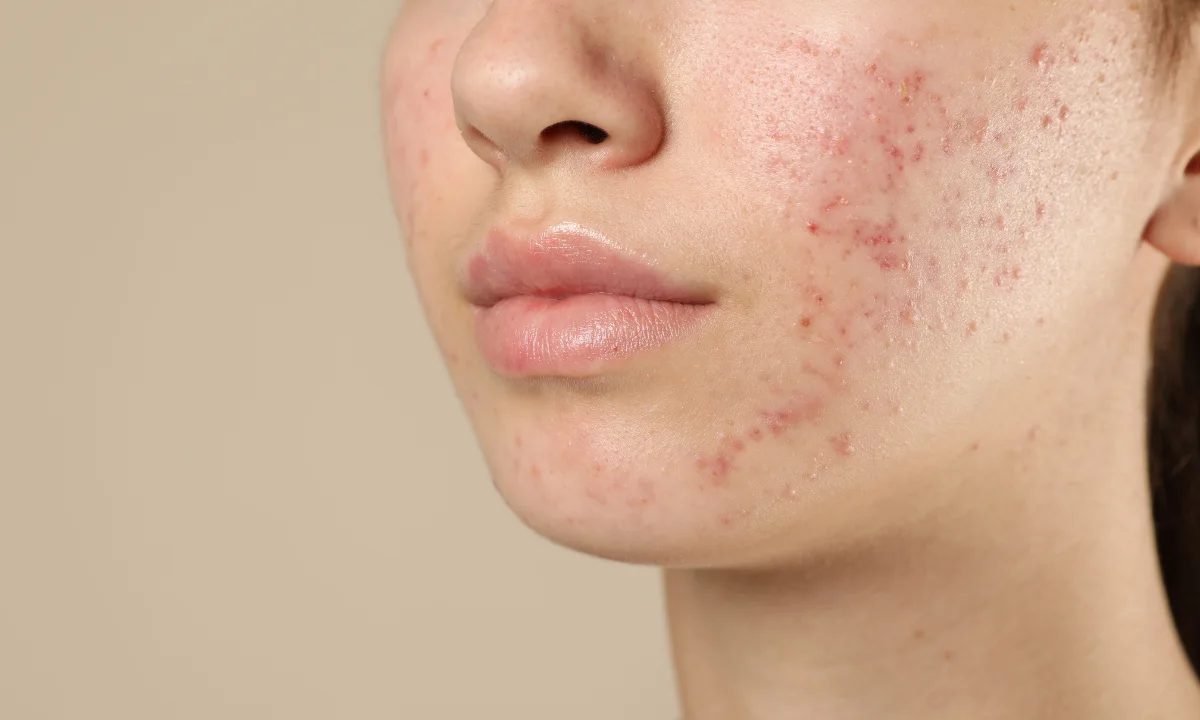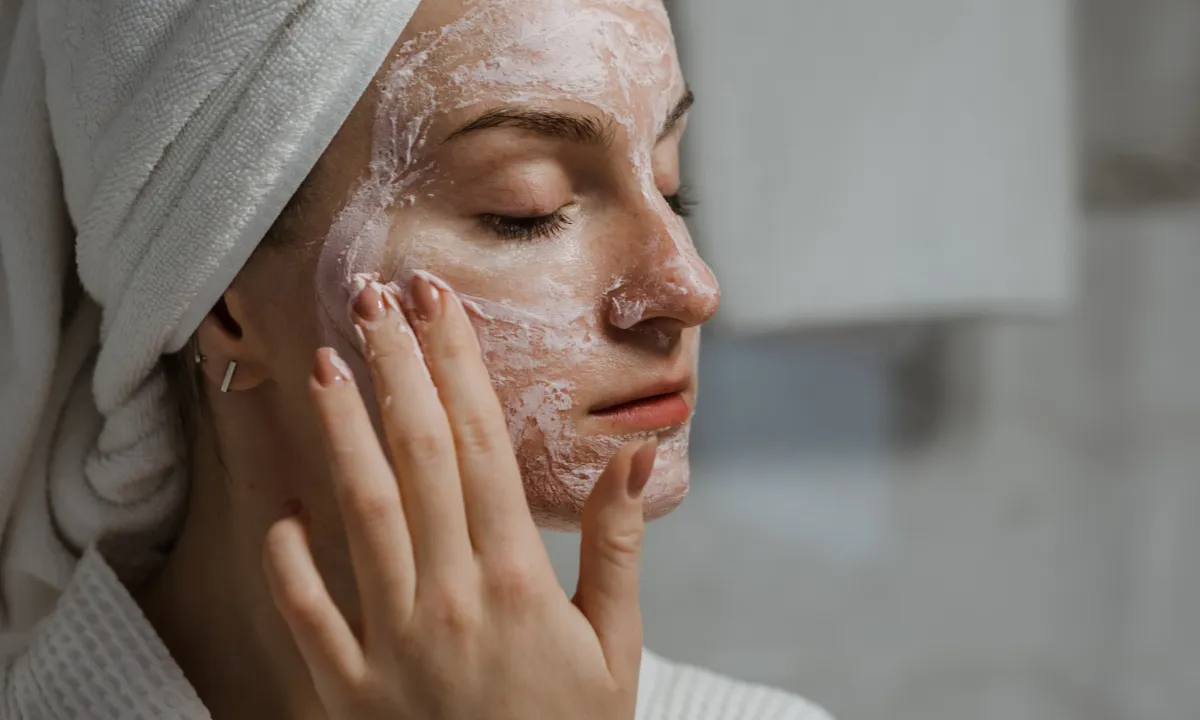

How to Know Your Skin Type and Choose the Right Routine
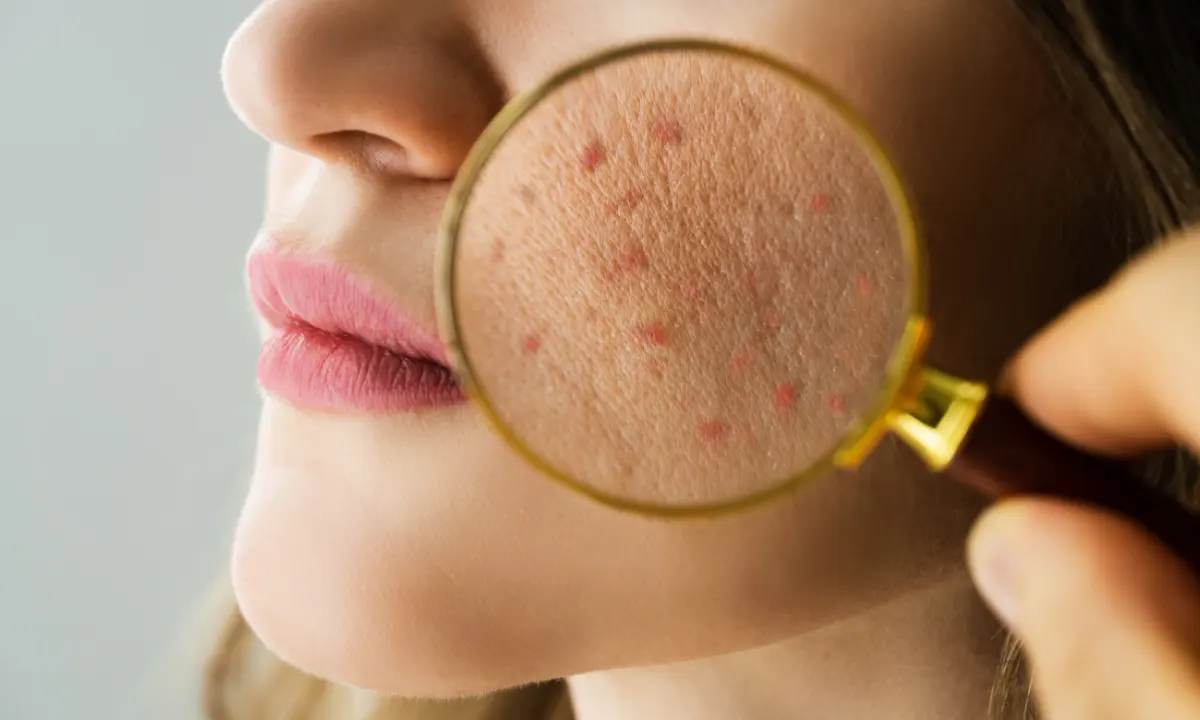
Choosing skincare products can feel confusing when your skin does not respond the way you expect. A moisturizer that works well for someone else may feel heavy on your face, while a cleanser that removes oil for one person may leave another person with dryness and irritation. The reason is simple: every person's facial skin has different needs. Before building a skincare routine or buying products, you need to understand your skin type first. Your skin type can usually be identified by observing how your skin behaves after cleansing, including oil production, dryness, texture, hydration level, and sensitivity.
Knowing your skin type helps you make better skincare decisions because it shows what your skin needs and what products may not work well for you. Whether your skin feels oily within a few hours, becomes tight after washing, reacts easily to products, or stays balanced throughout the day, these signs can help you identify whether you have normal skin, dry skin, oily skin, combination skin, or sensitive skin.
Why Knowing Your Skin Type Matters For Your Skincare Routine
Understanding your skin type is the first step toward creating a skincare routine that matches your actual needs, including a personalized korean skincare routine based on your skin concerns. Many skincare problems happen because people choose products based on trends, advertisements, or recommendations from others instead of understanding their own skin behavior. Your skin type helps you decide which ingredients, textures, and products are suitable for your face. Someone with oily skin may need lightweight products that help manage excess oil, while someone with dry skin may need ingredients that support hydration and the skin barrier. When you know your skin type, your skincare choices become more focused and effective.
Skin Type Helps You Choose The Right Skincare Products
Different skin types respond differently to skincare products. A facial cleanser, moisturizer, serum, or sunscreen should support your skin instead of creating more problems. For example, oily skin often produces more sebum, so heavy creams may feel uncomfortable and increase the feeling of greasiness. Dry skin usually needs products that help maintain moisture and support the skin barrier. Sensitive skin often requires gentle formulas that avoid ingredients that may trigger redness or irritation.
Your skin type can guide your choices for:
A good skincare routine starts with understanding your skin instead of adding many products without knowing what your face actually needs.
Understanding Your Skin Helps Prevent Common Skincare Problems
Using unsuitable skincare products can affect your skin balance. A product that removes too much oil may leave the skin feeling dry and uncomfortable, while products that are too heavy may contribute to clogged pores and excess shine.
Many common concerns are connected with using the wrong approach, including:
Excess oil production
Dry patches
Rough skin texture
Redness
Irritation
Breakouts
Weak skin barrier
However, it is important to understand that skin type is different from skin concerns. A person with oily skin can still experience dehydration, and someone with dry skin can also have acne problems. Knowing your skin type helps you choose products correctly, but it does not replace understanding individual skin concerns.
Your Skin Type Creates The Foundation Of A Personalized Routine
A skincare routine works best when each step matches your skin needs. Once you identify your skin type, you can make better decisions about cleansing, hydration, treatment products, and sun protection.
A basic skincare routine usually includes:
Facial cleanser to remove dirt, oil, and impurities
Serum or treatment product for specific concerns
Moisturizer to support hydration and the skin barrier
Sunscreen to protect the skin during the day
The goal is not to use the largest number of products. The goal is to use products that support your skin type and maintain healthy looking skin.
What Determines Your Skin Type?
Your skin type is influenced by several factors that affect how your facial skin behaves. The amount of oil your skin produces, how well it holds moisture, and how it reacts to products all play a role in determining your skin type. While skincare products can improve the appearance and condition of your skin, your natural skin type is mainly connected with your body's biology. Understanding these factors makes it easier to identify why your skin behaves a certain way.

Sebum Production And Natural Oil Balance
Sebum is the natural oil produced by sebaceous glands located inside the skin. This oil helps protect the skin surface, maintain softness, and reduce moisture loss. However, the amount of sebum your skin produces affects your skin type.
People with higher sebum production may notice:
Facial shine
Greasy feeling
Enlarged pores
Increased chance of clogged pores
People with lower sebum production may experience:
Tightness
Rough texture
Dry patches
Flaky skin
Balanced sebum production is commonly associated with normal skin, where the skin maintains a comfortable balance between oil and hydration.
Skin Barrier And Moisture Balance
The skin barrier is the outer protective layer of your skin. It helps keep moisture inside the skin and protects against external factors such as pollution, weather changes, and irritating substances.
When the skin barrier is healthy, skin usually feels comfortable and balanced. When the barrier becomes weakened, the skin may become more prone to:
Dryness
Redness
Irritation
Increased sensitivity
Skin hydration also plays an important role. Dry skin is usually related to lower oil production, while dehydrated skin means the skin lacks enough water. These are different conditions and require different skincare approaches.
Ingredients that commonly support skin hydration and barrier health include:
Hyaluronic acid
Ceramides
Glycerin
Squalane
How Genetics, Hormones, Age And Environment Affect Skin
Your skin type is influenced by factors beyond skincare products. Genetics can affect how much oil your skin produces, how your pores appear, and how your skin reacts to different conditions.
Hormonal changes can also influence skin behavior. For example, changes during different life stages may increase oil production or affect sensitivity.
Other factors that can influence your skin include:
Weather and climate
Humidity levels
Stress
Sleep quality
Skincare habits
Age
Skin can also change over time. Someone who had oily skin in their teenage years may notice drier skin as they get older because natural oil production can decrease with age.
The Five Main Skin Types Explained
Most skincare experts classify facial skin into five main types:
Normal skin
Dry skin
Oily skin
Combination skin
Sensitive skin
Each skin type has different characteristics, and understanding these differences helps you choose suitable skincare products and create a better routine.
Normal Skin Type
Normal skin is considered balanced skin because it usually maintains a healthy relationship between oil production and hydration. It does not produce excessive oil and does not usually experience extreme dryness. People with normal skin often find that their skin feels comfortable after cleansing and does not quickly become greasy or tight.
Signs Of Normal Skin
Common signs of normal skin include:
Balanced oil production
Smooth skin texture
Comfortable feeling after washing
Less visible dryness
Fewer reactions to products
Generally even appearance
Normal skin does not mean perfect skin. People with normal skin can still experience concerns such as acne, dark spots, or dehydration.
Skincare Needs For Normal Skin
The main goal for normal skin is maintaining balance and protecting long term skin health. A suitable routine usually focuses on:
Gentle cleansing
Daily hydration
Skin barrier support
Regular sunscreen use
Normal skin usually benefits from simple routines because adding unnecessary products can sometimes disturb the natural balance of the skin.
Dry Skin Type
Dry skin occurs when the skin does not produce enough natural oils to maintain softness and prevent moisture loss. This can make the skin feel uncomfortable, rough, or tight. Dry skin is often linked with lower sebum production and changes in the skin barrier.
How To Identify Dry Skin
Common signs of dry skin include:
Tight feeling after washing the face
Rough skin texture
Flaky areas
Dry patches
Dull appearance
Increased visibility of fine lines
Dry skin may feel uncomfortable because the skin struggles to maintain enough moisture on the surface.
Why Skin Becomes Dry
Several factors can contribute to dry skin, including:
Low sebum production
Harsh cleansers
Cold weather
Low humidity
Damaged skin barrier
Over exfoliation
Removing too much natural oil from the skin can make dryness worse, which is why gentle skincare products are usually preferred for dry skin.
Best Skincare Approach For Dry Skin
Dry skin usually benefits from products that support hydration and strengthen the skin barrier.
Helpful ingredients include:
A dry skin routine commonly focuses on gentle cleansing, rich moisturization, and protecting the skin from moisture loss.
Oily Skin Type
Oily skin is caused by higher sebum production from the sebaceous glands. Sebum is important because it helps protect the skin and prevent moisture loss, but when the skin produces more oil than needed, the face may appear shiny or feel greasy throughout the day. Having oily skin does not mean your skin is unhealthy. Oily skin can still have good hydration and a strong skin barrier. The goal is not to remove all oil from the face because natural oils play an important role in maintaining healthy skin.
How To Identify Oily Skin
Oily skin usually shows clear signs related to excess oil production. These signs may appear more noticeable a few hours after cleansing.
Common signs include:
Shine across the forehead, nose, cheeks, or chin
Greasy feeling on the skin surface
Enlarged pores
Frequent blackheads
Makeup becoming less stable during the day
Increased tendency for clogged pores
A simple way to check oily skin is to observe your face after several hours without applying products. If your entire face becomes noticeably shiny, your skin may have an oily tendency.
Why Skin Produces Excess Oil
Several factors can increase oil production, including genetics, hormones, and environmental conditions. Some people naturally produce more sebum because of their skin biology.
Factors that may influence oily skin include:
Active sebaceous glands
Hormonal changes
Hot and humid weather
Stress
Using harsh products that remove too much oil
Removing oil aggressively can sometimes make the skin feel unbalanced. The goal of oily skin care is to maintain cleanliness and hydration while managing excess shine.
Best Skincare Approach For Oily Skin
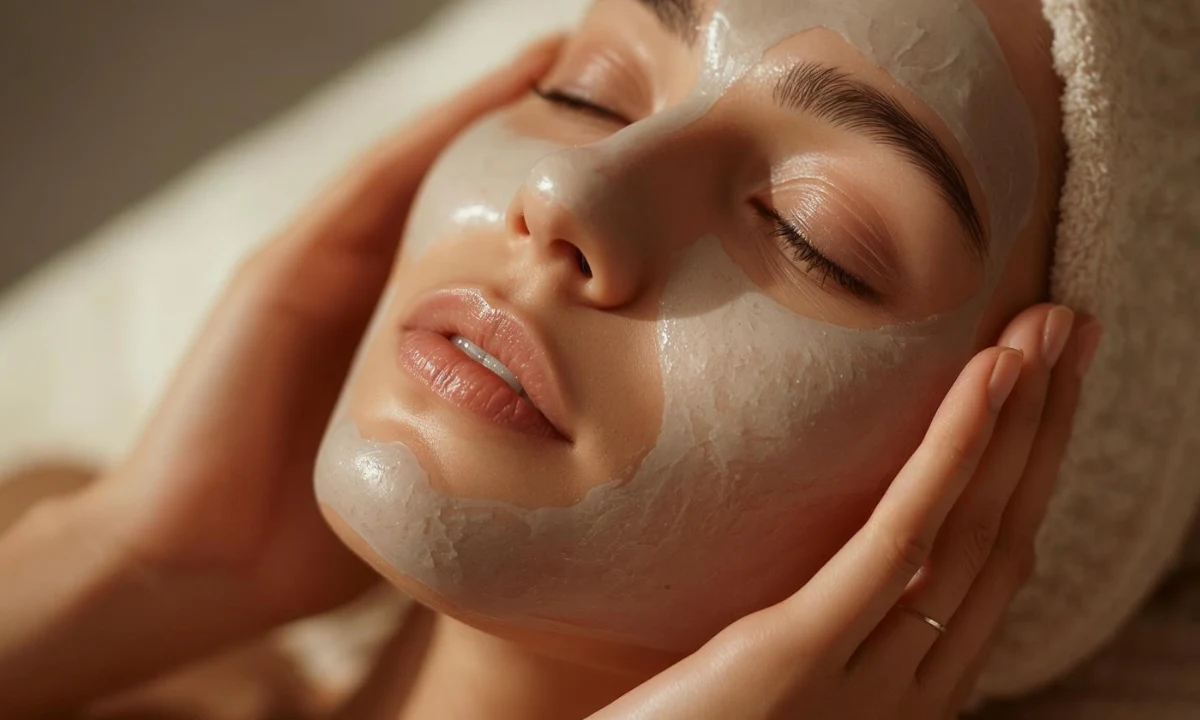
Oily skin usually benefits from lightweight skincare products that provide hydration without feeling heavy. Useful ingredients for oily skin include niacinamide, which is commonly found in lightweight formulas such as a niacinamide serum.
A good oily skin routine often includes a gentle facial cleanser, lightweight moisturizer, suitable treatment products, and daily sunscreen. Hydration is still important for oily skin. Skipping moisturizer can leave the skin feeling uncomfortable and may affect the skin barrier.
Combination Skin Type
Combination skin is one of the most common skin types because different areas of the face behave differently. Some parts of the face produce more oil, while other areas may feel normal or dry. The most common pattern is an oily T zone with drier cheeks. The T zone includes the forehead, nose, and chin because these areas often contain more active sebaceous glands.
Understanding Combination Skin
Combination skin requires a balanced approach because one product may not feel suitable for every area of the face.
For example:
The forehead and nose may become shiny during the day
The cheeks may feel normal or slightly dry
The skin texture may vary across different areas
This happens because oil production is not always the same across the entire face.
Signs Of Combination Skin
Common signs include:
Oiliness around the forehead, nose, and chin
Dry or comfortable cheeks
Different skin textures in different areas
Shine appearing mainly in the T zone
Occasional dryness after cleansing
The best way to identify combination skin is through observation. If only certain areas produce excess oil while other areas remain balanced or dry, combination skin may be the reason.
How To Care For Combination Skin
Combination skin usually needs products that maintain balance instead of focusing only on oil control or heavy hydration.
Helpful approaches include:
Using a gentle cleanser for the entire face
Applying lightweight moisturizer
Giving extra hydration to dry areas
Using targeted products where needed
Some people may benefit from using different product textures on different areas of the face. For example, a lightweight moisturizer may work well on oily areas, while slightly richer hydration may help drier areas.
Sensitive Skin Type
Sensitive skin describes skin that reacts easily to products, environmental changes, or certain ingredients. It is often connected with increased skin reactivity and a weakened skin barrier. Sensitive skin can exist with other skin types. A person can have sensitive oily skin, sensitive dry skin, or sensitive combination skin.
Signs Of Sensitive Skin
Common signs of sensitive skin include:
Redness
Burning sensation
Stinging after applying products
Itching
Irritation
Discomfort after using new skincare products
Sensitive skin may react differently from normal skin because the protective barrier may not handle certain ingredients or external factors well.
What Causes Skin Sensitivity
Several factors can contribute to sensitive skin, including:
Damaged skin barrier
Harsh skincare products
Strong exfoliation
Fragrance ingredients
Weather changes
Environmental factors
Using too many active ingredients at the same time can also increase irritation for some people.
Best Skincare Approach For Sensitive Skin
Sensitive skin usually benefits from a simple routine focused on comfort and barrier support.
Helpful ingredients include:
A sensitive skin routine should focus on consistency. Gentle products such as a heartleaf toner can support a simple routine, but adding many new products quickly can make it difficult to understand which product is causing a reaction.
How To Know Your Skin Type At Home
You do not always need professional equipment to understand your skin type. Simple observation methods can provide useful information about how your facial skin behaves.
Home skin testing focuses on three main areas:
Oil production
Skin texture
Skin reaction
These methods are helpful for beginners who want to understand their skin before choosing skincare products.
Bare Faced Test Method
The bare faced test is one of the easiest ways to identify your skin type at home. It involves cleansing your face and observing how your skin behaves without applying skincare products. This method helps reveal your natural oil production and hydration level.
Step 1: Clean Your Face With A Gentle Facial Cleanser
Start by washing your face with a gentle facial cleanser to remove:
Makeup
Sunscreen
Dirt
Excess oil
Product residue
Avoid using strong cleansing products because they may temporarily change how your skin feels and affect the results.
Step 2: Leave Your Skin Without Products For 30 To 60 Minutes
After cleansing, allow your skin to return to its natural state. Do not apply:
Moisturizer
Serum
Face oil
Sunscreen
This waiting period allows your skin to show its natural behavior.
Step 3: Observe Your Skin Appearance And Feel
After waiting, check how your skin looks and feels.
Pay attention to:
Step 4: Match Your Results With Your Skin Type
After observing your skin, compare your results:
Normal Skin: Your skin feels comfortable, balanced, and does not show excessive oil or dryness.
Dry Skin: Your skin feels tight, rough, or uncomfortable after cleansing.
Oily Skin: Your face develops noticeable shine across multiple areas.
Combination Skin: Your forehead, nose, and chin become oily while other areas remain normal or dry.
Sensitive Skin: Your skin reacts with redness, burning, or irritation.
How To Identify Your Skin Type Using The Blotting Paper Test
The blotting paper test is another simple method to understand oil distribution on your face. It helps show where your skin produces more oil. Press a clean blotting paper gently on different areas of your face, including:
Forehead
Nose
Cheeks
Chin
The amount and location of oil marks can provide clues about your skin type.
Oil Marks Across The Entire Face: If blotting paper shows oil from most areas of your face, it may indicate oily skin. This means your skin produces more sebum across multiple facial areas.
Oil Marks Mainly On Forehead, Nose And Chin: If oil appears mainly in the T zone, this often suggests combination skin. The central areas of the face produce more oil while other areas remain balanced or dry.
Little Or No Oil Marks: If there is very little oil on the blotting paper, your skin may be dry or normal. Other signs such as tightness, texture, and comfort level help determine the difference.
Skin Type vs Skin Condition: Understanding The Difference
One of the biggest mistakes people make is confusing skin type with skin condition. These two terms describe different things. Skin type explains how your skin naturally behaves, while skin conditions describe concerns that can develop because of internal or external factors. Understanding this difference helps you choose skincare products more accurately.
Skin Type Describes Your Natural Skin Behavior
Skin type usually includes:
Normal skin
Dry skin
Oily skin
Combination skin
Your skin type is mainly connected with:
Sebum production
Natural hydration levels
Genetics
Skin structure
It usually changes slowly over time.
Skin Conditions Can Change Over Time
Skin conditions can appear or improve depending on different factors.
Common skin conditions include:
Dehydrated skin
Acne prone skin
Hyperpigmentation
Dark spots
Mature skin concerns
Uneven skin tone
For example, someone with oily skin can still have dehydrated skin because the skin lacks water even though it produces oil.
Common Skin Concerns That Can Affect Any Skin Type
Identifying your skin type is important, but you should also understand other concerns that may affect your skincare choices.
Dehydrated Skin
Dehydrated skin means the skin lacks enough water. It is different from dry skin, which is usually related to lower oil production.
Signs of dehydrated skin include:
Tight feeling
Dull appearance
Rough texture
Skin looking less fresh
Hydrating ingredients such as hyaluronic acid and glycerin are commonly used in products focused on improving skin hydration.
Acne Prone Skin
Acne prone skin develops breakouts more easily because of factors such as:
Excess sebum
Blocked pores
Dead skin buildup
Bacteria
Acne can affect oily, dry, or combination skin types. Having acne does not automatically mean someone has oily skin.
Hyperpigmentation And Dark Spots
Hyperpigmentation refers to darker areas of skin caused by increased pigment production.
Common causes include:
Sun exposure
Skin inflammation
Hormonal changes
Previous acne marks
A consistent skincare routine with sunscreen protection is an important part of managing uneven skin tone concerns.
Aging Skin
As skin ages, natural changes can affect:
Elasticity
Firmness
Hydration
Fine lines
Aging skin often benefits from ingredients that support hydration, skin barrier health, and protection from environmental damage.
How To Choose Skincare Products Based On Your Skin Type
Once you understand your skin type, choosing skincare products becomes much easier. The purpose of skincare is not to collect many products but to select formulas that support your skin’s needs. A good routine should help maintain hydration, protect the skin barrier, and address specific concerns without creating unnecessary irritation.
When choosing skincare products, consider your skin type, current concerns, and how your skin reacts to ingredients. For example, a person with oily skin may prefer lightweight formulas, while someone with dry skin may need richer hydration.
How To Build A Beginner Skincare Routine After Finding Your Skin Type
After identifying your skin type, the next step is creating a routine that supports your skin without making it complicated. A beginner skincare routine should focus on the basics first and add extra products only when there is a clear reason.
A simple routine usually includes four important steps:
Cleanser
Treatment product or serum
Moisturizer
Sunscreen
Step 1: Facial Cleanser
A facial cleanser removes:
Dirt
Sweat
Excess oil
Sunscreen residue
Environmental buildup
The right cleanser should clean your skin without leaving it feeling extremely tight or uncomfortable.
Examples:
Dry skin often benefits from gentle hydrating cleansers
Oily skin may prefer lightweight cleansing formulas from Anua skincare products.
Sensitive skin usually needs mild products with fewer potential irritants
Step 2: Serum Or Treatment Product
Serums are concentrated skincare products designed to support specific concerns.
Examples:
Hyaluronic acid for hydration support
Niacinamide for oily skin concerns
Targeted ingredients for dark spots or uneven texture
A serum should be selected based on your skin goals rather than using multiple products without a clear purpose.
Step 3: Moisturizer
Every skin type benefits from moisturizer because hydration is important for maintaining a healthy skin barrier.
Moisturizers help:
Reduce moisture loss
Improve skin comfort
Support softness
Maintain hydration balance
The texture can vary depending on skin type.
Examples:
Lightweight moisturizer for oily skin
Rich moisturizer for dry skin
Gentle moisturizer for sensitive skin
Step 4: Sunscreen
Sunscreen is an important daily skincare step because UV exposure can contribute to:
Dark spots
Uneven skin tone
Premature signs of aging
A broad spectrum sunscreen helps protect the skin from harmful UV rays and supports long term skin health.
Frequently Asked Questions About Skin Type
How do I know my skin type at home?
You can identify your skin type at home by cleansing your face, waiting 30 to 60 minutes without products, and observing oil production, dryness, texture, and sensitivity. The way your skin looks and feels during this time can help you understand whether you have normal, dry, oily, combination, or sensitive skin.
What is the easiest skin type test?
The bare faced test is one of the easiest methods. It involves washing your face with a gentle cleanser and observing your skin without applying products. The blotting paper test can also help identify oil distribution.
Can skin type change over time?
Yes, skin type can change because of age, hormones, environment, lifestyle habits, and changes in skincare routines. For example, skin may become less oily as natural oil production decreases with age.
How often should I check my skin type?
You do not need to test your skin type every week. Checking occasionally, especially when your skin behavior changes, is usually enough. Seasonal changes or new skincare routines may affect how your skin feels.
Can sensitive skin also be oily or dry?
Yes. Sensitive skin describes how easily your skin reacts, while oily or dry skin describes oil production and hydration levels. A person can have oily sensitive skin, dry sensitive skin, or combination sensitive skin.
What skin type is best?
There is no single “best” skin type. Every skin type has different needs. The goal is to maintain healthy skin by using products that match your skin behavior and support your skin barrier.
Should I choose skincare products according to my skin type?
Yes. Choosing skincare products according to your skin type helps you select formulas that match your skin’s needs. However, you should also consider specific concerns such as acne, dehydration, dark spots, or sensitivity.
Final Thoughts: Understanding Your Skin Type Helps You Build Better Skincare Habits
Knowing your skin type gives you a clearer understanding of what your skin needs and helps you avoid choosing products randomly. Whether your skin is oily, dry, normal, combination, or sensitive, the right approach starts with observation, consistency, and suitable skincare choices. A good skincare routine is built around your skin’s condition, not around trends. Once you understand your skin type, you can choose better cleansers, moisturizers, serums, and sunscreen products that support healthy looking skin.
At Kinis Glow, our goal is to help you understand your skin better and choose skincare solutions that match your individual needs. Start by identifying your skin type, understand your concerns, and build a routine that supports your skin every day.
Recent Posts

Best Korean Serums: Top Picks for Bright, Clear & Glass Skin

Anua Heartleaf Toner vs Rice Toner: Which One Is Better?