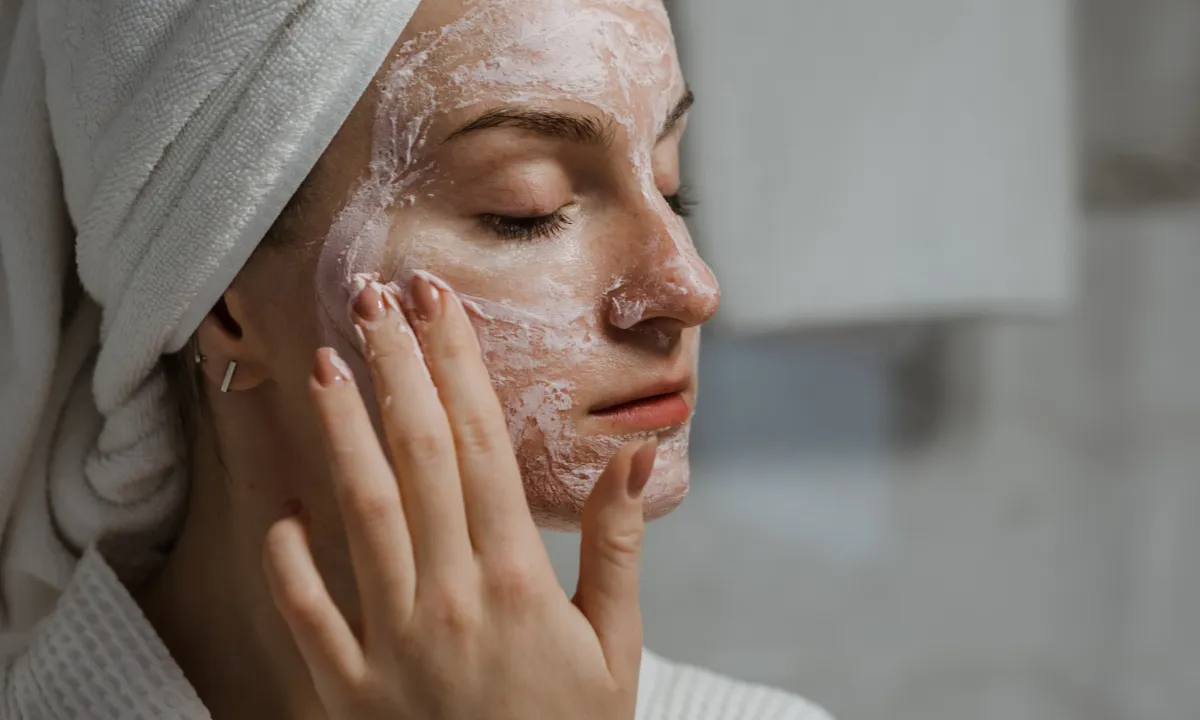

Best Skincare Routine For Acne Prone Skin That Works
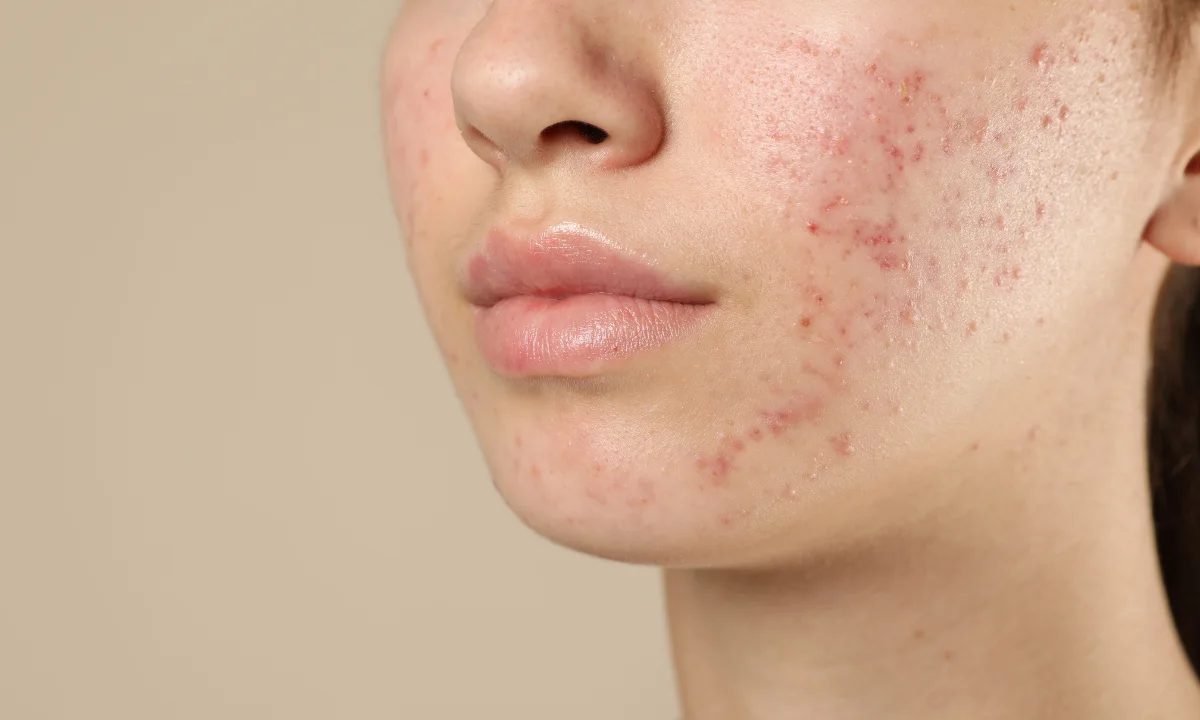
Acne breakouts can be frustrating, especially when you are trying different cleansers, serums, and treatments but your skin still does not feel balanced. Many people with acne prone skin make the mistake of using too many products at once or choosing strong treatments that remove oil but leave the skin irritated. This often creates more confusion because acne is not caused by one single factor. Breakouts can happen because of excess sebum, clogged pores, inflammation, hormones, and an unhealthy skin barrier.
A good skincare routine for acne prone skin focuses on understanding why breakouts happen and choosing products that support your skin instead of constantly fighting it. A balanced routine usually includes gentle cleansing, suitable acne treatment ingredients, proper hydration, and daily sunscreen protection. The right approach depends on your acne type, skin type, and how your skin reacts to different products.
Understanding Acne Prone Skin Before Starting A Routine
Acne prone skin is skin that develops breakouts more easily than other skin types. This does not mean the skin is unhealthy or that every breakout happens because of poor skincare habits. Acne is a skin condition influenced by several factors, including oil production, pore blockage, inflammation, hormones, and how the skin responds to different triggers. Before choosing an acne treatment or building a routine, it is important to understand your skin behavior and create a personalized korean skincare routine based on your needs. A product that works well for oily acne prone skin may not be suitable for someone with dry or sensitive acne prone skin. Understanding the reason behind your breakouts helps you choose skincare products more effectively.
What Does Acne Prone Skin Mean?
Acne prone skin has a higher tendency to develop different types of acne, including clogged pores and inflammatory breakouts. This happens when factors like excess sebum, dead skin cells, and inflammation affect the normal function of pores.
Common signs of acne prone skin include:
Frequent pimples
Blackheads
Whiteheads
Enlarged pores
Repeated breakouts
Uneven skin texture
Excess oil in some areas
Acne prone skin can appear differently from person to person. Some people experience mostly blackheads and whiteheads, while others may deal with painful pimples, papules, or pustules. The goal of an acne skincare routine is not to completely remove all natural oil from the skin. Sebum plays an important role in protecting the skin surface. The focus should be maintaining a healthy balance between oil control, hydration, and skin barrier support.
Acne Prone Skin Is Not The Same As Oily Skin
Many people assume acne only happens because someone has oily skin, but this is not always true. Oily skin and acne prone skin are related but they describe different things. Oily skin mainly refers to increased sebum production. The skin may look shiny, feel greasy, and have larger appearing pores. Acne prone skin refers to the tendency to develop breakouts. A person can have:
Oily acne prone skin
Dry acne prone skin
Combination acne prone skin
Sensitive acne prone skin
For example, someone with dry skin may still experience acne because of clogged pores, unsuitable products, or irritation. On the other hand, someone with oily skin may not always have frequent breakouts. This difference matters because treating every acne problem with oil controlling products can sometimes make the skin barrier weaker and increase discomfort.
Why Acne Needs A Balanced Skincare Approach
A common mistake with acne skincare is focusing only on removing pimples quickly. Many strong acne treatments can help, but using too many active ingredients or harsh products can create dryness and irritation. The skin barrier acts as a protective layer that helps maintain hydration and defend against external factors. When this barrier becomes damaged, the skin may become more sensitive and uncomfortable.
A balanced acne routine focuses on four main areas:
Consistency is more important than using a large number of products. A simple routine that matches your skin needs is usually easier to maintain and monitor.
What Causes Acne Breakouts?
Acne develops through a combination of factors that affect the pores and skin environment. Understanding these causes helps explain why different ingredients work for different acne concerns.
A breakout usually involves several steps:
Sebum production increases
Dead skin cells build up
Pores become blocked
Inflammation develops
Acne appears on the skin
However, acne does not happen because of one single cause. Genetics, hormones, lifestyle, and skincare choices can all influence how often breakouts appear.
Excess Sebum And Clogged Pores
Sebum is a natural oil produced by sebaceous glands. It helps keep the skin soft and protects against moisture loss. However, excess sebum can contribute to clogged pores when it combines with dead skin cells. Blocked pores can create an environment where acne develops more easily.
Signs related to excess oil may include:
Facial shine
Greasy feeling
Enlarged pores
Frequent blackheads
Products that support oily acne prone skin often focus on managing excess oil while keeping the skin comfortable. Completely removing natural oils is not the goal because the skin still needs some oil for protection.
Dead Skin Cell Buildup
The skin naturally sheds dead skin cells as part of its renewal process. Sometimes these cells can accumulate and mix with sebum, creating blockages inside pores.
This buildup can contribute to:
Blackheads
Whiteheads
Rough texture
Uneven skin appearance
Ingredients such as salicylic acid and retinoids are commonly used in acne skincare because they help improve pore appearance and support normal skin renewal. However, exfoliating too aggressively can irritate acne prone skin. The strength and frequency of active ingredients should match your skin tolerance.
Skin Inflammation And Acne Bacteria
Cutibacterium acnes is a type of bacteria naturally found on the skin. It is part of the normal skin environment, but changes inside blocked pores can contribute to inflammation and acne development.
Inflammatory acne often appears as:
Red pimples
Swollen bumps
Tender areas
Pustules
The goal of acne treatment is not to remove all bacteria from the skin. Healthy skin contains many microorganisms that are part of the skin microbiome. Good acne care focuses on maintaining balance and reducing factors that contribute to breakouts.
Hormonal Changes And Acne
Hormones can influence sebum production and the way skin reacts. Hormonal acne often appears during periods when hormone levels change. Common signs of hormonal acne include:
Breakouts around the chin and jawline
Repeated acne in the same areas
Deeper and more painful pimples
Hormonal acne may require a different approach compared with occasional clogged pores. A consistent skincare routine can help support the skin, but some cases may need professional guidance.
Lifestyle And Environmental Triggers
Daily habits and environmental factors can affect how skin behaves. They are usually not the only reason someone develops acne, but they may influence the frequency or severity of breakouts.
Possible triggers include:
Stress
Poor sleep habits
Pollution
Heavy makeup products
Touching the face frequently
Skincare products that do not suit the skin
Maintaining healthy habits alongside a suitable skincare routine can support better skin management.
Identify Your Acne Type Before Choosing Products
Not all acne looks or behaves the same way. Understanding the type of acne you experience can help you choose suitable products and avoid using treatments that do not match your concern. Different acne types respond differently because they involve different processes inside the skin.
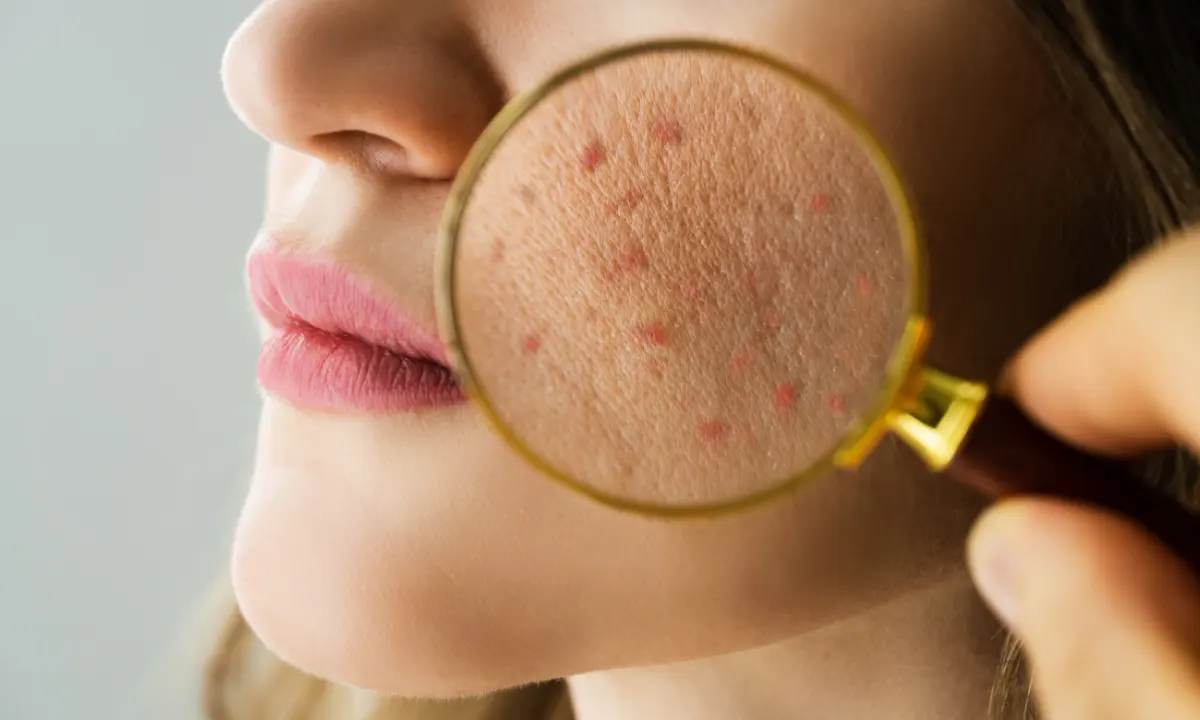
Comedonal Acne: Blackheads And Whiteheads
Comedonal acne happens when pores become blocked with sebum and dead skin cells. It is usually less inflamed compared with other acne types.
Common examples include:
Blackheads
Whiteheads
Blackheads appear dark because the material inside the pore reacts with air. They are not caused by dirt and scrubbing them harder does not remove them. Whiteheads occur when the blocked pore remains closed under the skin surface.
Ingredients commonly used for comedonal acne include:
Salicylic acid
Retinoids
Gentle exfoliating ingredients
These ingredients help support clearer looking pores and smoother skin texture.
Inflammatory Acne: Papules And Pustules
Inflammatory acne occurs when breakouts become red, swollen, or irritated.
Common types include:
Papules
Pustules
Papules are small raised bumps that may feel tender. Pustules contain fluid and often appear with a visible white center.
Inflammatory acne usually requires ingredients that help manage inflammation and acne related bacteria.
Common ingredients include:
Benzoyl peroxide
Dermatologist recommended acne treatments
Barrier supporting skincare
Using too many strong treatments together can increase irritation, so product selection should be careful.
Hormonal Acne
Hormonal acne is often connected with changes in hormone activity that influence oil production and inflammation.
Common patterns include:
Chin breakouts
Jawline acne
Repeated monthly breakouts
A skincare routine can support the skin, but hormonal acne may require additional evaluation if breakouts are persistent or severe.
Cystic Acne
Cystic acne involves deeper, painful breakouts that develop under the skin. These breakouts can be more difficult to manage and may increase the risk of acne scars.
Signs include:
Large painful bumps
Deep swelling
Long lasting breakouts
Cystic acne often benefits from professional advice because stronger treatment options may be needed.
Complete Morning Skincare Routine For Acne Prone Skin
A morning skincare routine for acne prone skin should focus on preparing the skin for the day while maintaining balance. The purpose is not to remove every trace of oil from the face but to keep pores clean, support the skin barrier, and protect the skin from external factors such as pollution and UV exposure. A good morning routine does not need many steps. Using a few suitable products consistently is usually more helpful than applying multiple treatments that may irritate the skin.
Step 1: Cleanse With A Gentle Acne Friendly Face Wash
Cleansing is the first step because it removes overnight oil buildup, sweat, and impurities that collect on the skin surface. However, acne prone skin needs careful cleansing because harsh formulas can remove too much natural oil and leave the skin feeling dry or irritated. A suitable acne friendly cleanser should help clean the skin while maintaining comfort.
Look for features such as:
Gentle formula
Non comedogenic ingredients
Fragrance free options
Suitable texture for your skin type
The best cleanser depends on your skin condition. Someone with oily acne prone skin may prefer a lightweight cleansing formula, while someone with sensitive acne prone skin may need a gentler option.
Salicylic Acid Cleanser For Acne Prone Skin
Salicylic acid is a beta hydroxy acid commonly used in acne skincare. It can help remove buildup inside pores and support smoother looking skin.
It is often used for concerns such as:
Blackheads
Whiteheads
Excess oil
Congested pores
However, salicylic acid is not suitable for every person at the same frequency. If the skin becomes dry, tight, or irritated, the routine may need adjustment.
Avoid Over Washing Your Face
Washing your face too frequently does not automatically improve acne. Excessive cleansing can disturb the skin barrier and increase dryness.
Common signs of over cleansing include:
Tight feeling after washing
Increased sensitivity
Flaking
Burning sensation
A balanced cleansing routine usually means cleaning the skin enough to remove buildup without creating unnecessary irritation.
Step 2: Apply A Suitable Acne Treatment
After cleansing, an acne treatment product can target specific concerns. The right treatment depends on your type of acne and how your skin reacts. Some people need pore supporting ingredients, while others need ingredients that help with inflammation or redness. Common acne treatment ingredients include:
Salicylic acid
Niacinamide
Benzoyl peroxide
Retinoids
It is better to introduce active ingredients slowly rather than using several strong treatments together.
Niacinamide For Acne Prone Skin
Niacinamide is a form of vitamin B3 that is commonly used in skincare. Products such as a niacinamide serum can support the skin barrier and help improve the appearance of excess oil.
Potential benefits include:
Supporting skin barrier function
Helping balance oily looking skin
Reducing visible redness
Improving overall skin appearance
Niacinamide is often suitable for people who want acne support without using very strong exfoliating ingredients.
Choosing Lightweight Acne Treatments
Acne prone skin often benefits from lightweight formulas because heavy textures may feel uncomfortable, especially for people with oily skin. When choosing a treatment product, consider:
Your acne type
Your skin sensitivity
Other products already in your routine
Using fewer suitable products often creates a more manageable routine.
Step 3: Use A Lightweight Moisturizer
Many people with acne avoid moisturizer because they believe hydration will make breakouts worse. This is a common misunderstanding. Acne prone skin still needs moisture because the skin barrier helps maintain healthy skin function. When the skin becomes too dry, it may feel irritated and uncomfortable.
A good acne friendly moisturizer can help:
Maintain hydration
Support the skin barrier
Reduce dryness caused by acne treatments
Improve skin comfort
Choosing A Non Comedogenic Moisturizer
Non comedogenic products are designed to reduce the chance of clogging pores.
Look for:
Lightweight formula
Oil free options
Barrier supporting ingredients
Helpful ingredients include:
Ceramides
Hyaluronic acid
Panthenol
The ideal moisturizer depends on your skin type. Oily acne prone skin may prefer gel textures, while dry acne prone skin may need richer hydration.
Step 4: Apply Broad Spectrum Sunscreen
Sunscreen is an important part of acne skincare because UV exposure can worsen the appearance of acne marks and contribute to uneven skin tone. A suitable sunscreen for acne prone skin should feel comfortable and should not leave excessive heaviness on the face.
Look for:
Broad spectrum SPF protection
SPF 30 or higher
Lightweight texture
Non comedogenic formula
Daily sunscreen use supports long term skin health, especially for people dealing with dark spots after breakouts.
Complete Night Skincare Routine For Acne Prone Skin
The night routine focuses on removing daily buildup, applying treatment products, and supporting skin recovery. During the day, skin collects sunscreen, oil, makeup, and environmental particles, so proper evening care is important. A simple night routine helps maintain consistency without overwhelming the skin.
Step 1: Remove Sunscreen And Makeup
Sunscreen is important during the day, but it needs to be properly removed at night. Leaving sunscreen, makeup, and buildup on the skin can contribute to clogged pores. Products that can help remove daily buildup include:
Micellar water
Gentle cleansing products
Makeup removers suitable for your skin type
This step is especially useful for people who wear makeup or heavier sunscreen formulas.
Step 2: Cleanse Without Damaging Your Skin Barrier
After removing sunscreen or makeup, cleansing helps remove remaining oil and impurities. The goal is clean skin that still feels comfortable. A suitable cleanser should not leave your face feeling:
Extremely tight
Dry
Burning
Uncomfortable
The skin barrier plays an important role in acne management, so maintaining it should always be part of the routine.
Double Cleansing For Acne Prone Skin
Double cleansing means using two cleansing steps, usually:
An oil based or micellar product to remove sunscreen and makeup
A water based cleanser to remove remaining impurities
It can be useful for people who use:
Makeup
Long lasting sunscreen
Heavy skincare products
However, double cleansing is not required for everyone. People with very sensitive or dry skin may prefer a simpler routine.
Step 3: Apply Night Acne Treatment Products
Nighttime is often used for treatment products because some ingredients are better suited for evening routines.
Common options include:
Retinoids
Adapalene
Benzoyl peroxide
Salicylic acid
The correct choice depends on your acne type.
For example:
Avoid adding multiple strong treatments at the same time because this can increase dryness and irritation.
Step 4: Restore Moisture With Barrier Supporting Products
After acne treatments, moisturizer helps maintain comfort and support the skin barrier. Barrier supporting ingredients include:
A healthy skin barrier helps the skin handle active ingredients better and reduces unnecessary irritation.
Best Ingredients For Acne Prone Skin Explained
Understanding skincare ingredients helps you choose products based on your actual needs instead of following every new trend. Each ingredient works differently, so the best choice depends on your acne type and skin sensitivity.
Salicylic Acid For Acne
Salicylic acid is one of the most commonly used ingredients for acne prone skin. It belongs to a group called beta hydroxy acids and can help remove buildup that contributes to clogged pores.
It is commonly used for:
Blackheads
Whiteheads
Oily skin
Uneven texture
Benefits include:
Helping clear pore buildup
Supporting smoother skin texture
Managing excess oil appearance
People with very dry or sensitive skin may need to use it carefully because frequent use can increase dryness.
Benzoyl Peroxide For Acne
Benzoyl peroxide is commonly used for inflammatory acne because it helps target acne related bacteria and reduce breakout causing factors.
It is often used for:
Pimples
Papules
Pustules
Important points:
It can cause dryness for some users
It should be introduced gradually
Moisturizer can help maintain skin comfort
Retinoids And Adapalene
Retinoids are ingredients that support skin cell turnover. They are commonly used in acne routines because they help prevent pore blockage. Adapalene is a type of retinoid often used in acne care.
They are commonly considered for:
Repeated breakouts
Clogged pores
Long term acne management
Retinoids can sometimes cause dryness or adjustment reactions, so introducing them slowly is important.
Niacinamide For Acne Prone Skin
Niacinamide supports the skin barrier and is often included in routines for oily, sensitive, and acne prone skin.
Benefits include:
Supporting balanced oil appearance
Improving visible redness
Helping maintain skin comfort
It works well alongside other skincare ingredients because it is generally considered a gentle option.
Hydrating Ingredients For Acne Treatment Support
Some acne treatments can leave skin feeling dry, so hydration plays an important role in maintaining balance.
Helpful ingredients include:
Hyaluronic acid
Ceramides
Panthenol
These ingredients help support moisture levels and make acne routines easier to maintain.
Build Your Acne Routine According To Your Skin Type
Acne prone skin does not look the same for everyone. The same acne ingredient may feel comfortable for one person but cause dryness or irritation for another. Your skin type plays an important role in deciding which products and textures are suitable. A good acne routine should address breakouts while also supporting the natural condition of your skin. The goal is to maintain a balance between acne management and skin barrier health.

Oily Acne Prone Skin Routine
Oily acne prone skin usually produces more sebum, which can contribute to shine and clogged pores. The main focus for this skin type is managing excess oil while keeping the skin hydrated.
A suitable routine may include:
Gentle cleanser that removes excess oil
Lightweight acne treatment
Oil free moisturizer
Non comedogenic sunscreen
Helpful ingredients include:
Salicylic acid for pore support
Niacinamide for oil balance
Lightweight hydration ingredients
Avoid using very harsh oil stripping products because removing too much natural oil may leave the skin uncomfortable and more sensitive.
Dry Acne Prone Skin Routine
Dry acne prone skin can be challenging because many acne treatments may increase dryness. The focus should be reducing irritation while still addressing breakouts.
A suitable routine may include:
Gentle hydrating cleanser
Moisturizer with barrier supporting ingredients
Lower frequency use of active treatments
Helpful ingredients include:
Ceramides
Hyaluronic acid
Panthenol
Glycerin
People with dry acne prone skin should avoid aggressive exfoliation and focus on maintaining skin comfort.
Sensitive Acne Prone Skin Routine
Sensitive acne prone skin requires extra care because the skin may react easily to strong ingredients or frequent product changes.
A suitable routine focuses on:
Simple product selection
Gentle formulas
Skin barrier support
Helpful product features include:
Fragrance free
Lightweight
Gentle ingredients
Barrier supporting formulas
Introduce new acne treatments slowly and avoid adding several active ingredients at the same time.
Combination Acne Prone Skin Routine
Combination acne prone skin usually has areas with different needs. The T zone may become oily while other areas may feel normal or dry.
A balanced routine may include:
Gentle cleanser
Lightweight moisturizer
Targeted acne treatment
Comfortable sunscreen
The goal is to manage oily areas without making other parts of the face dry.
Acne Skincare Routine Order: What Goes First?
Using products in the correct order helps create a comfortable routine and prevents unnecessary product layering problems.
The general order for an acne skincare routine is:
At night, sunscreen is removed first, followed by cleansing, treatment products, and moisturizer. The exact routine may change depending on the products you use and your skin sensitivity.
Frequently Asked Questions About Acne Prone Skin Routine
What is the best skincare routine for acne prone skin?
The best routine usually includes gentle cleansing, a suitable acne treatment, moisturizer, and sunscreen. The right products depend on your acne type, skin type, and sensitivity.
Should acne prone skin use moisturizer?
Yes. Acne prone skin still needs hydration because moisturizer helps support the skin barrier. A non comedogenic lightweight moisturizer is often a suitable choice.
Is salicylic acid good for acne?
Salicylic acid can be helpful for acne concerns related to clogged pores, blackheads, and excess oil. However, frequency should depend on your skin tolerance.
Can oily skin become dehydrated?
Yes. Oily skin can still lack water and become dehydrated. Oil production and hydration are different aspects of skin health.
Can sunscreen cause acne?
Some sunscreen formulas may feel heavy for certain people, but sunscreen itself does not automatically cause acne. Choosing lightweight and non comedogenic formulas can help reduce concerns.
How often should acne prone skin be washed?
Most people benefit from cleansing twice daily, but the ideal frequency depends on skin sensitivity and product use.
How long does acne treatment take?
Results vary depending on the acne concern and products used. Consistency is important because skin usually needs time to adjust and respond.
Final Thoughts On Building A Skincare Routine For Acne Prone Skin
Building a skincare routine for acne prone skin starts with understanding your skin instead of chasing every new product trend. Breakouts can happen because of several factors, including excess sebum, clogged pores, inflammation, hormones, and skin barrier problems. A successful routine focuses on simple foundations: gentle cleansing, suitable acne treatments, proper hydration, and daily sunscreen protection. The best skincare routine is the one that matches your acne type, respects your skin barrier, and is easy to follow consistently.
At Kinis Glow, we believe skincare works best when products are chosen with understanding. Learning your skin needs helps you make better decisions and build a routine that supports healthier looking skin over time.
Recent Posts

Best Korean Serums: Top Picks for Bright, Clear & Glass Skin
Anua Heartleaf Toner vs Rice Toner: Which One Is Better?